
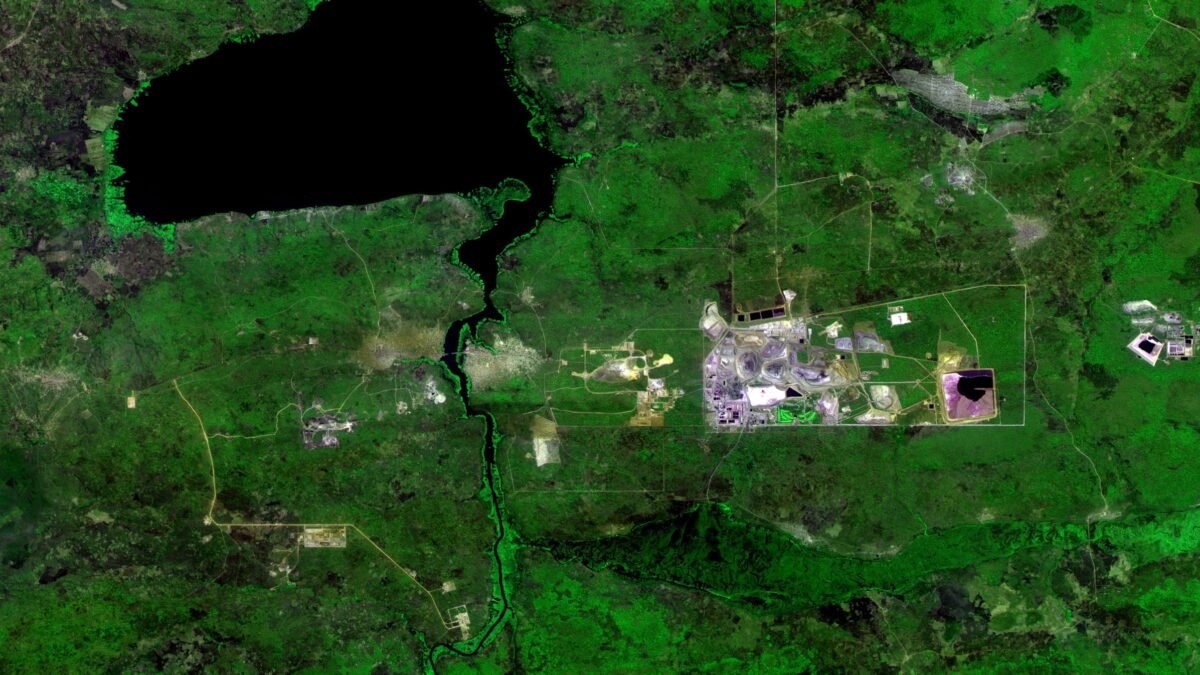
In the space of a single decade, a handful of African deposits went from geological trivia to the subject of state visits, sovereign wealth fund delegations, and closed-door meetings between mining ministers and the chief executives of the world’s largest automakers. The Democratic Republic of Congo produces roughly seven in every ten tonnes of the world’s mined cobalt. Zimbabwe has become one of the fastest-growing sources of hard-rock lithium. Namibia and South Africa hold rare earth deposits that Western governments now classify as strategic assets rather than commodities. Every electric vehicle, grid-scale battery, and wind turbine magnet manufactured anywhere in the world increasingly runs through African ground at some point in its supply chain.
The rush this has produced looks, on the surface, like opportunity finally arriving. Mining licences are being signed at a pace unseen since the initial colonial partition of the continent’s resource map. Governments in Kinshasa, Harare, and Windhoek speak openly of a second chance to capture the value that oil and gold extraction never delivered. What is missing from nearly every one of those announcements is the word that actually determines who profits from a mineral boom: refining. Ore does not power a battery. Refined, battery-grade material does, and the capacity to perform that transformation sits overwhelmingly outside the countries where the ore is dug.
The Step That Isn’t Happening on the Continent
Cobalt leaves the Democratic Republic of Congo largely as concentrate or hydroxide, a partially processed intermediate product, not the battery-grade cobalt sulphate that manufacturers actually need. The refining step that converts one into the other happens predominantly in China, which controls the majority of global cobalt and lithium refining capacity regardless of where the raw ore originated. A Congolese mine and a Chinese refinery are, in commercial terms, two ends of the same supply chain. Still, only one end sets the price of the finished product, negotiates supply contracts with automakers, and captures the margin between raw ore and usable material. That margin, mineral economists have long noted, dwarfs the value of extraction itself. Africa is selling the crude. Someone else is selling the fuel.
Zimbabwe’s lithium sector illustrates the pattern with unusual clarity because it happened so quickly. Chinese firms acquired the country’s major hard-rock lithium projects within a few years of the market’s takeoff, built concentration plants to produce spodumene concentrate on Zimbabwean soil, and then exported that concentrate for refining into battery-grade lithium carbonate almost entirely offshore. Zimbabwe banned the export of raw, unprocessed lithium ore in 2022 specifically to force some local beneficiation, a genuine policy attempt to capture more of the value chain. The result has been an increase in concentration capacity, a meaningfully higher-value product than raw ore, but not the emergence of the refining capacity that would let Zimbabwe sell finished lithium carbonate directly into battery supply chains at battery-grade prices.
Africa is selling the crude. Someone else is selling the fuel.
Why the Refineries Are Not Being Built Here
The absence is not simply neglect. Refining critical minerals is capital-intensive, energy-intensive, and technically demanding in ways that mining is not. A cobalt or lithium refinery requires reliable, high-volume electricity at industrial scale, a resource many African grids cannot yet guarantee; specialised chemical engineering expertise that took China two decades of deliberate industrial policy to build; and billions of dollars in upfront capital that mining companies, having already committed capital to extraction, are reluctant to duplicate downstream in jurisdictions perceived as higher-risk. Chinese refiners built their dominance through sustained state-directed investment specifically targeting the midstream of battery supply chains, a strategy pursued for over a decade before the current mineral rush made it valuable. African governments are attempting to compress that timeline into a handful of years, under pressure from a market moving faster than any single country’s industrial policy can respond to.
Where the Leverage Actually Sits
Follow the contracts and the asymmetry becomes structural rather than incidental. Mining concessions are typically negotiated country by country, deposit by deposit, which means the Democratic Republic of Congo negotiates its cobalt terms without reference to what Zambia is negotiating for its copper-cobalt belt thirty kilometres across the border. Zimbabwe negotiates lithium terms independent of Namibian rare earth terms. Refiners and automakers, by contrast, negotiate globally, sourcing from whichever African jurisdiction offers the most favourable terms in a given year and playing governments against each other in the process. A continent that holds a genuine global chokepoint in mineral supply, cobalt above all, has not yet organised itself to bargain as one, while the buyers on the other side of the table coordinate as an industry as a matter of course.
The counter-example that African governments cite most often is Indonesia, which banned the export of unprocessed nickel ore in 2020 and, within several years, attracted the smelting and refining investment that had previously bypassed it, becoming a significant node in the global battery supply chain rather than merely a raw-material source. The policy worked, but it worked because Indonesia paired the export ban with guaranteed industrial electricity, a coordinated state investment vehicle, and the negotiating weight of controlling the majority of a specific mineral globally. The Democratic Republic of Congo controls a comparable share of global cobalt. It has passed export-oriented policy discussions without yet assembling the electricity guarantees or the coordinated investment vehicle that made Indonesia’s version work. The model exists. The state capacity to execute it, so far, does not.
The Symmetric Failure
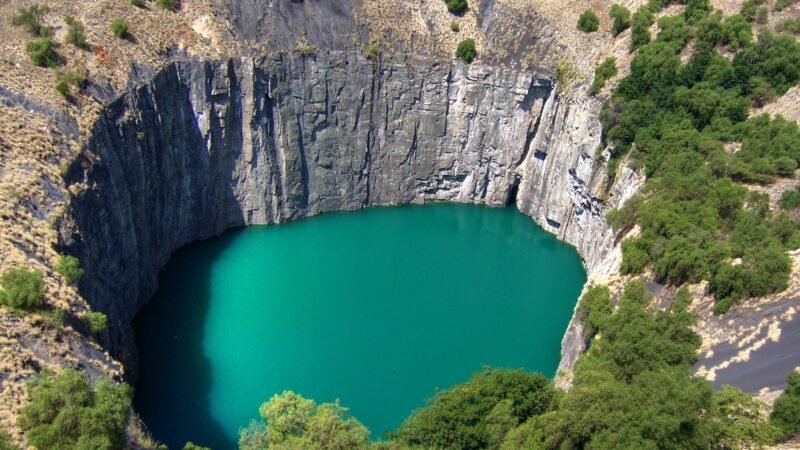
None of this exonerates the buyers, who have shown no urgency to build refining capacity on African soil when offshore refining remains cheaper and the political risk calculus favours concentration in fewer, more controllable jurisdictions. But the deeper accountability runs both ways. Automakers and battery manufacturers have optimised a supply chain for their own margin, which is a rational commercial choice, not a conspiracy; African governments, for their part, have in many cases negotiated mining concessions that prioritised speed and upfront royalty payments over the harder, slower work of conditioning access on local beneficiation, as Zimbabwe belatedly attempted. Both sides built the system that exists. Only one side is positioned to change it.
The verdict is that the critical minerals rush will not, by itself, deliver the transformation African governments are promising their citizens, because holding the ore was never the scarce asset in this supply chain. The scarce asset is the refining capacity that converts geology into value, and that capacity is being built in China, not in Kolwezi or Bulawayo. Africa has one genuine point of leverage left before the current mineral rush hardens into a permanent architecture: the deposits are not going anywhere, and the demand for them is not going to shrink. Whether that leverage becomes refineries or remains, a decade from now, another set of open pits feeding someone else’s factories depends entirely on whether African governments negotiate the next round of concessions as owners of a chokepoint, or as sellers of dirt.