
What the Rebellion Is Actually Against
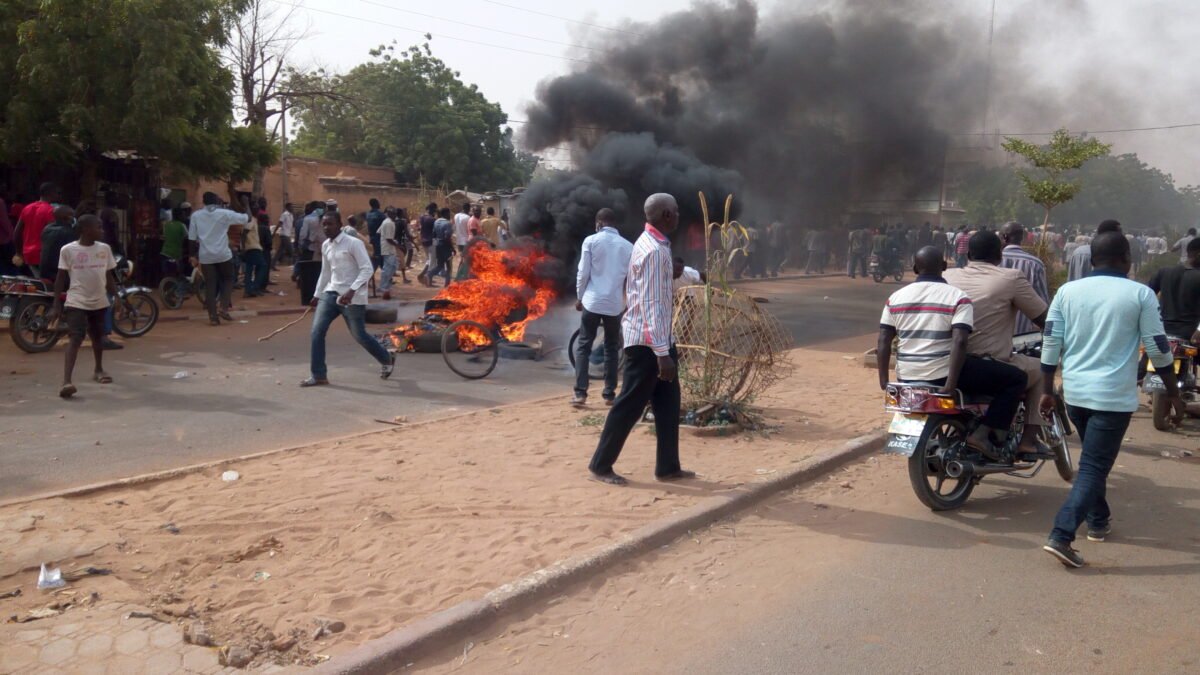
The coverage of the Sahel’s political upheavals has settled into a frame that is analytically comfortable for Western audiences and analytically insufficient for understanding what is actually happening. In this frame, the coups are a defiance of the West, an anti-French, anti-European, anti-American gesture, fuelled by Russian influence operations and populist sentiment. The military governments are cast as the actors, and the West as the object of their rebellion. This framing is not entirely wrong. It is, however, incomplete in a way that makes the phenomenon illegible. What the Sahel is doing is not primarily defiance. It is, specifically, a dismantling of the architecture of consent through which external powers have exercised authority in this part of Africa for the six decades since formal independence.
The architecture of consent is not a conspiracy. It is a system, one that was built incrementally, through mechanisms that each appeared reasonable in isolation: security partnerships that gave external militaries basing rights and operational latitude; aid relationships that created fiscal dependence and conditioned governance choices; monetary arrangements like the CFA franc zone that tied West and Central African currencies to French monetary policy in exchange for convertibility guarantees; elite formation pathways that trained African technocrats and officers in Western institutions, creating professional networks that naturalised Western institutional preferences as universal best practice. None of these mechanisms required coercion. They required consent, the ongoing agreement of African governments to participate in arrangements that served overlapping interests, even when the overlap was asymmetric.
Consent architecture is what makes empire sustainable without the constant expense of enforcement. The Sahel is not burning down enforcement infrastructure. It is withdrawing consent, and, in the process, discovering how much of the system was built on the assumption that consent would always be available.
The Monetary Infrastructure of Dependency
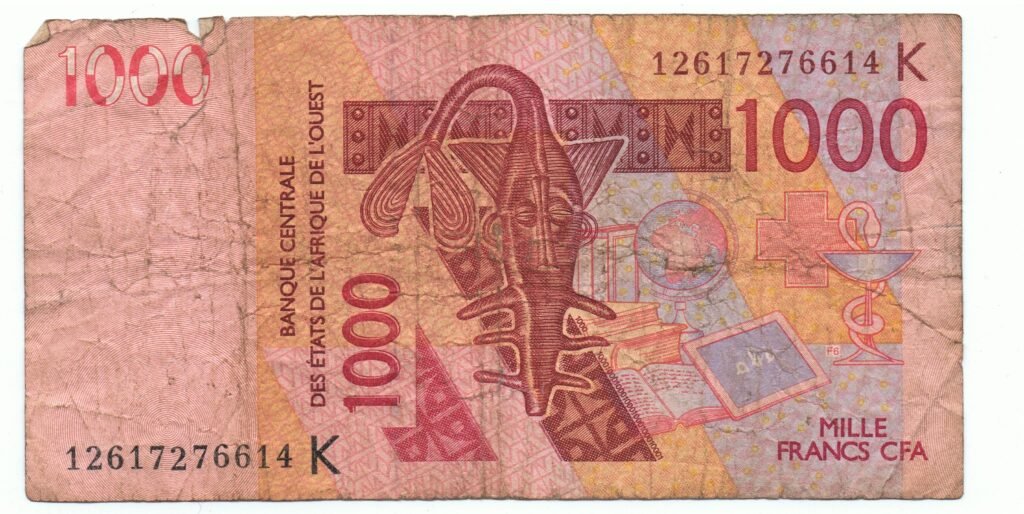
The CFA franc is the consent architecture’s most transparent mechanism, and the one that Sahel coup governments have engaged most directly. Fourteen African countries across two zones, the WAEMU zone linked to the West African CFA, and the CEMAC zone linked to the Central African CFA, maintain currencies whose parity with the euro (and previously the French franc) is guaranteed by France, in exchange for the deposit of a proportion of foreign exchange reserves with the French Treasury and French seats on monetary policy institutions. The arrangement provides convertibility stability, a genuine benefit in economies with limited export diversification. It also structurally constrains monetary policy, prevents exchange rate adjustment as an economic tool, and ties the fiscal space of participating governments to the European Central Bank’s monetary decisions.
Mali’s decision to signal its intention to exit the zone, and the broader Sahel governments’ alignment with each other in exploring alternative monetary arrangements, represent something qualitatively different from the security policy decisions, different because the monetary system is infrastructure that was designed to be permanent, that has no obvious exit architecture, and that has built sixty years of dependencies into the commercial and financial institutions of participating economies. Exiting is genuinely costly. The fact that the coup governments are willing to absorb that cost signals that the consent underpinning the arrangement is no longer available, not because Russia has offered an alternative, but because the populations that elected or tolerated the previous governments had come to see the arrangement as part of the problem rather than part of the solution.
The Security Partnership as Consent Mechanism
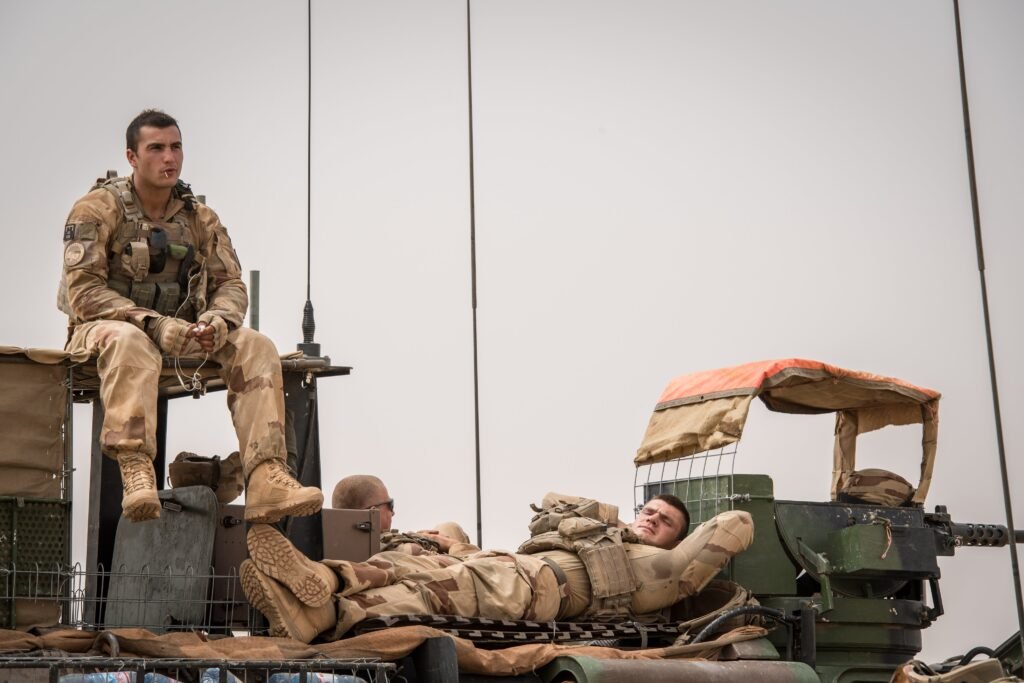
Operation Barkhane, France’s military campaign in the Sahel that ran from 2014 to 2022, was framed as a counterterrorism partnership, an external security guarantee that the governments of Mali and Burkina Faso at the time requested and maintained. What it produced, over eight years of sustained military presence, was a security situation that deteriorated by most measurable indicators: jihadist territorial control expanded, civilian displacement increased, and the governments that the French presence was meant to stabilise were overthrown by their own militaries. This is not an argument for French withdrawal as the solution; the security situation has not notably improved since then. It is argued that the security partnership served functions other than the security function it claimed, and that the populations enduring the insecurity eventually withdrew their consent to the arrangement because it failed the test by which it had been accepted.
Why Russia Is Acceptable
The replacement of French security presence with Russian-adjacent arrangements is the move that Western commentators focus on as evidence of malign influence. The more analytically interesting question is why Russian arrangements, with their own well-documented human rights problems, their own commercial interests in mining and resource concessions, and their own history of prioritising patron-state interests over host population welfare, are acceptable to the coup governments and, at least in popular sentiment terms, to significant portions of their populations. The answer is not that Russia has a better security offer. It is that the Russian arrangement is not packaged in the governance conditions, democratic process requirements, and civil society access obligations that Western partnerships increasingly attach, conditions that coup governments experience as sovereignty constraints and have now decided to refuse.
What the Consent Architecture Was Actually Producing
This is where the analytical frame matters most. If the Sahel’s rejection of the Western consent architecture is understood as defiance, as an emotional or geopolitically manipulated anti-Western gesture, then the response is to wait it out, apply diplomatic and economic pressure, and eventually restore the previous arrangements with perhaps minor modifications. If it is understood as withdrawal of consent from arrangements that were genuinely failing the populations they claimed to serve, then the question is fundamentally different: what would arrangements that earned consent look like, and are Western powers willing to offer them?
The Sahel’s uranium was not priced to develop Niger. The CFA franc’s stability did not translate into Malian manufacturing capacity. The Operation Barkhane bases did not secure the territory surrounding them. The development partnerships did not produce the governance improvements they conditioned their transfers on achieving. These are failures of the consent architecture, not incidental failures, but structural ones, built into arrangements that served French energy security, European monetary coherence, and Western strategic positioning more reliably than they served the stated development and security objectives of the African partners whose consent made them operational.
The Continental Stakes
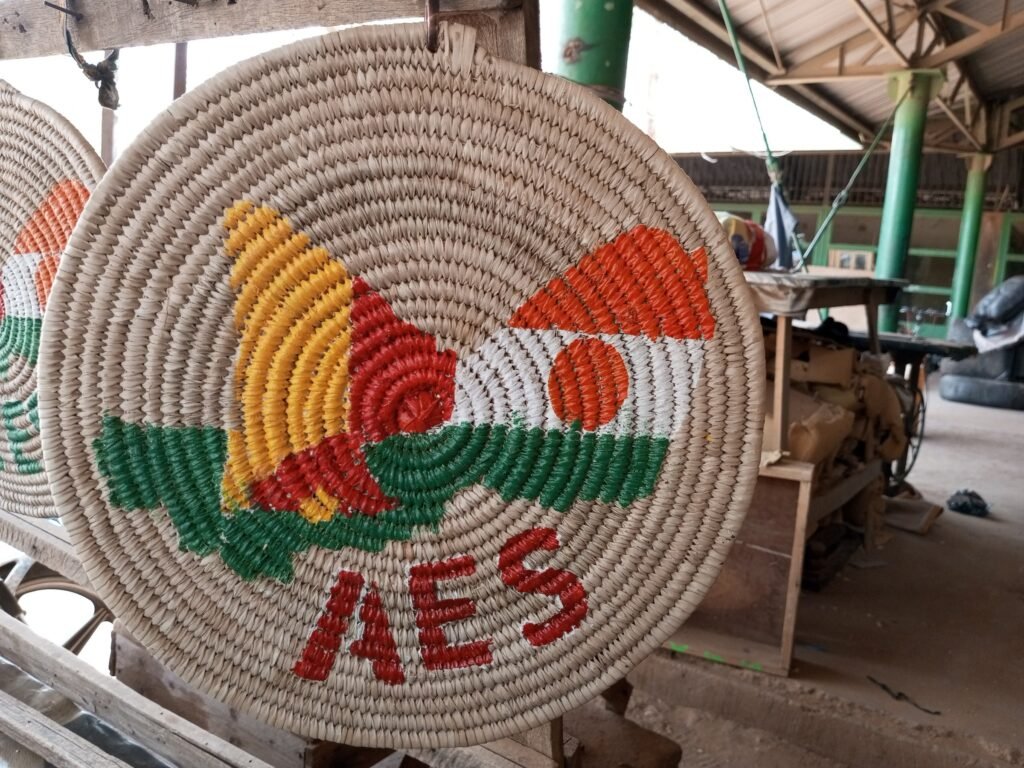
The Sahel’s withdrawal of consent from the Western architecture is not a template Africa should adopt uncritically. The coup governments are not sovereignty theorists implementing a principled programme; they are military administrations with their own interest structures, and the populations they govern are bearing real costs from the transition. What is valid is the underlying question the Sahel is forcing into the open: on whose terms does Africa engage with the world’s major powers, and what institutional architecture gives Africa the leverage to set those terms?
The African Union’s response to the Sahel crisis has been inadequate precisely because it has tried to restore the consent architecture rather than renegotiate it. The insistence on restoring civilian constitutional order, a procedurally correct position, has not been accompanied by a credible offer of substantive change in the terms of Africa’s external relationships that would make civilian constitutional order worth protecting. Until African institutions can make that offer, the consent architecture will remain vulnerable to withdrawal whenever the gap between its stated purposes and its actual outcomes is wide enough and long enough to produce the political will to refuse it. The Sahel is not defying the West. It is asking a question that the consent architecture was never designed to answer: what is this arrangement actually for?