The Strait of Hormuz is twelve nautical miles at its narrowest point. Africa is not near it. Yet when Houthi attacks on Red Sea shipping routes escalated through 2024 and into 2025, disrupting one of the world’s primary oil transit corridors, the continent that produces significant volumes of crude oil but refines almost none of it found itself paying premium prices for a disruption it neither caused nor controlled. This is not an accident of geography. It is the structural design of the global energy system, made visible once again under pressure.
Africa holds an estimated 125 billion barrels of proven oil reserves [African Development Bank]. It exports crude to markets in Asia, Europe, and North America. And then it buys back refined petroleum products, diesel, petrol, jet fuel, at prices set by markets it does not govern, shipped through routes it does not secure, priced in a currency it does not print. When those routes are disrupted, the freight premiums, the insurance surcharges, the speculative price spikes at the futures exchange- every one of those costs arrives at African ports, encoded into the price of the fuel that runs the trucks, the generators, the fishing boats, the schools.
The Terminal Price Position

This is what a terminal price position looks like. Africa sits at the end of every supply chain it did not design. The continent receives the product last, pays the accumulated cost of every link in the chain, and has no mechanism to pass that cost forward, because it is already selling to its own populations, most of whom are buying fuel at prices that represent a far larger share of their income than anywhere the pricing decisions are actually made.
Africa is not a passive victim of energy market volatility. It is a structural price-taker in a system built to ensure it can never be otherwise, until it controls the point at which crude becomes product.
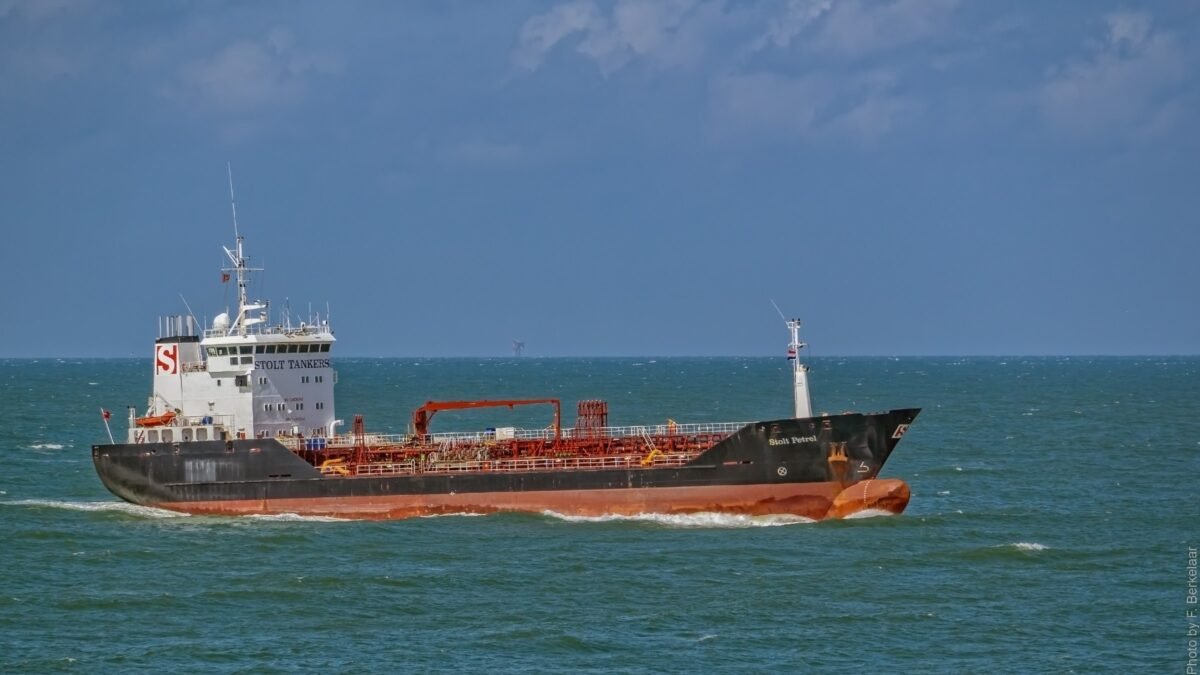
The Houthi disruptions of 2024-2025 rerouted significant volumes of global shipping around the Cape of Good Hope, adding transit time and cost to every cargo moving between Asia and Europe. For African importers of refined products, particularly those on the continent’s eastern seaboard, this meant extended delivery windows, elevated freight costs, and a tightening of the refined product market at both ends: global supply routes disrupted, local demand unrelenting. Countries like Kenya, Tanzania, and Ethiopia, which import virtually all their refined petroleum, absorbed these costs directly. Governments with managed pump prices either blew up their subsidy budgets or passed the shock to consumers. Neither option is sustainable. Both represent a transfer of geopolitical risk from the theatre of conflict to the African family budget.
The Refining Gap
The structural problem is refining capacity, or rather the absence of it. Africa’s refining infrastructure has been chronically underdeveloped, a condition that is not accidental. Colonial extraction economics were built to move raw materials outward, not to add value inside the continent. Post-independence governments inherited that architecture and, under pressure from international financial institutions advocating liberalisation, were frequently unable or unwilling to build the refining capacity that would change their price position. Nigeria, Africa’s largest oil producer, spent decades importing refined products even as it exported crude, a paradox so absurd it became a permanent feature of the national conversation rather than a crisis demanding resolution.
What Dangote Can and Cannot Fix
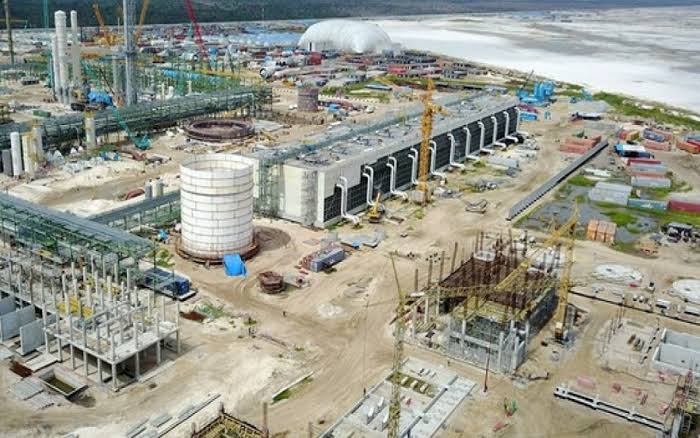
The Dangote Refinery in Lagos, which began operations in 2023, represents the most significant attempt to alter this equation. Its 650,000-barrel-per-day capacity is theoretically sufficient to supply West Africa and beyond. But capacity is not the same as market power. The refinery must source crude at international prices, compete in a global product market, and face distribution challenges within Nigeria that the political economy of fuel subsidies has made structurally intractable. The building of refining capacity is necessary but not sufficient. What Africa lacks is not only infrastructure; it is pricing sovereignty to use that infrastructure on African terms.
Every energy crisis that originates elsewhere, in the Gulf, in the straits, in the futures markets of New York and London, reaches Africa amplified. The amplification is not random noise. It is the predictable outcome of a system in which Africa’s role as a producer is structurally separated from its role as a consumer. The producer role earns foreign exchange, which is then spent on importing the refined outputs of the continent’s own resources. The spread between crude export revenue and refined import cost is where value exits the continent, year after year, crisis after crisis.
The solution architecture is clear, even if the political path is not. Regional refining hubs, continental product markets priced in African currencies, strategic petroleum reserves coordinated through the African Union, and trade frameworks that prioritise intra-African energy supply over re-export dependency- these are the instruments of a different price position. The African Continental Free Trade Area creates a framework. What it has not yet created is the political will to use energy policy as an instrument of sovereignty rather than a subsidy-management problem.
The Hormuz shock will pass. Another will follow. What does not change, until Africa changes it, is the structural position that guarantees the continent absorbs the terminal price of every disruption in a system it does not govern. The question is not whether Africa will be hit. It is whether, by the time the next shock arrives, Africa will have built the refining capacity, the pricing architecture, and the political coordination to absorb it differently.