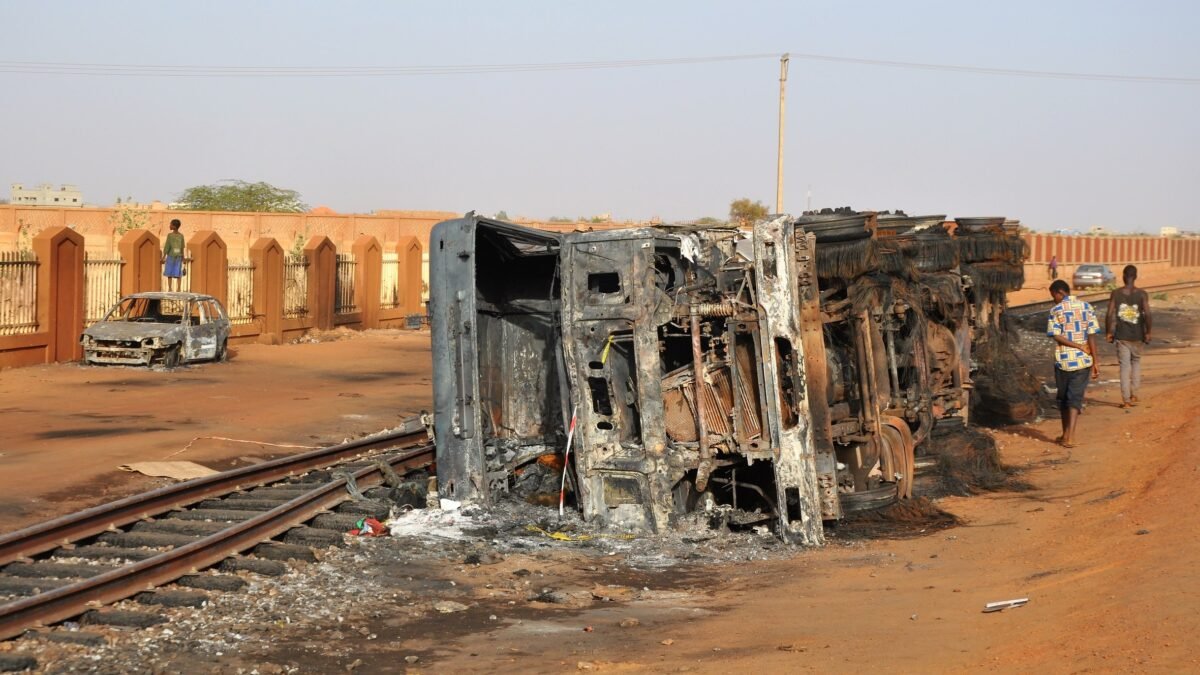
A petrol-laden tanker in Maje, Suleja, Niger State, lost brake control, struck three vehicles, and ignited a fire that destroyed thirty homes and several commercial properties. It was recorded, mourned briefly, and filed alongside the dozens of similar incidents that precede and follow it in the log of Nigeria’s infrastructure failures. The Nigerian fuel tanker explosions that punctuate the country’s public safety record are not accidents in any meaningful sense of the word. They are the predictable outcomes of a petroleum distribution system that uses road transport as its primary mechanism in a country where road infrastructure is deteriorating, vehicle maintenance standards are unenforced, and the regulatory architecture that should prevent catastrophic failure is present in statute and absent in practice.
The scale of the pattern matters. In 2015, a single week produced four separate tanker explosions across multiple states. A tanker at Onitsha’s Saba Motor Park that year killed sixty-nine people. The Federal Road Safety Corps estimated that over 306 people died in petroleum tanker accidents in 2016 alone, with economic losses calculated at seven billion naira annually. The 2018 Otedola Bridge fire in Lagos, in which twelve people died and over fifty vehicles were destroyed, generated the standard cycle: Senate summoning the Nigerian National Petroleum Corporation for explanations, demands for regulatory review, expressions of concern from relevant ministries, and no structural change to the distribution system that produced it. Nigeria’s fuel tanker explosion record is not a crisis that arrived unexpectedly. It is a data series with a consistent trend and a predictable trajectory.
Why It Keeps Happening
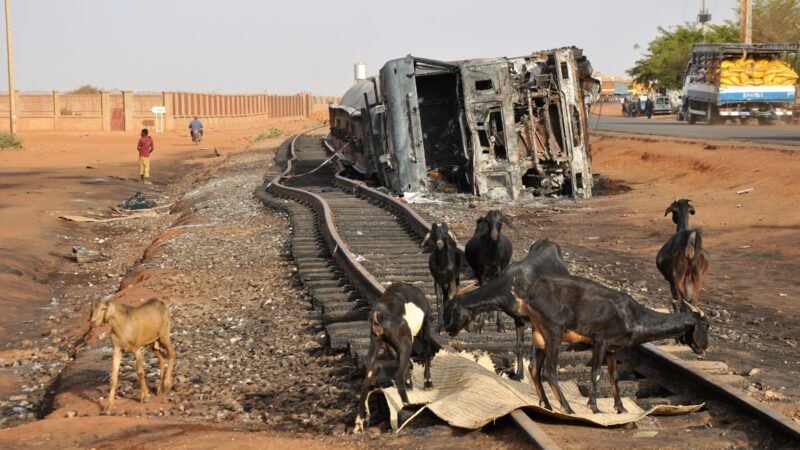
The structural explanation requires a single central fact: Africa’s largest crude oil producer transports refined petroleum products by road because its refineries are functionally non-operational and its pipeline infrastructure is inadequate to serve the distribution network that a population of over two hundred million requires. The country exports crude and imports refined product. That refined product then travels by ageing, poorly maintained road tanker through ageing, poorly maintained road infrastructure, driven by operators who are not uniformly trained, licensed to standards that are inconsistently enforced, and subject to regulatory oversight that the Federal Road Safety Corps and the Department of Petroleum Resources lack the capacity and political protection to apply uniformly.
Pipelines Versus Tankers
Comparative infrastructure makes the design choice visible. The United States moves the majority of its petroleum through pipelines, safer, cheaper per unit of delivery, and structurally less catastrophic when they fail than a road tanker igniting in a populated area. Nigeria’s pipeline network exists but is chronically compromised by vandalism, insufficient security, and decades of deferred maintenance investment. Rail, which offers a viable middle alternative for long-distance petroleum transport, remains underdeveloped despite repeated government commitments. What has been built instead is a political economy of road transport that sustains a distribution system of independent oil marketers whose operations are difficult to regulate, whose compliance with safety standards is commercially optional, and whose influence within the petroleum sector gives them structural resistance to the kind of reform that would eliminate their market role.
Policy Without Enforcement
The 2017 Federal Executive Council approval of a new National Petroleum Policy acknowledged the environmental and safety dimensions of the existing distribution architecture. Implementation was slow. Enforcement remained weak. The political economy of petroleum distribution in Nigeria is not susceptible to policy documents alone; it requires enforcement institutions with genuine independence from the commercial interests they are meant to regulate, and it requires capital investment in alternative infrastructure that those same commercial interests have little incentive to support. These conditions have not been created. The explosions continue.
Tanker driver training and certification are indicators of systemic depth. It is widely documented that operators without uniform training drive vehicles carrying thousands of litres of flammable petroleum through dense urban areas and busy rural roads. The FRSC has periodic certification drives. They produce compliance on the day of inspection and drift thereafter, because the enforcement infrastructure necessary to sustain compliance- regular roadside checks, database-linked licensing, commercial penalties that actually reach operators rather than being negotiated into informal payments- has not been built at the scale the problem requires. Independent oil marketers who stand between national distributors and end retail markets have commercial incentives to keep transport costs low. Low transport costs and safety compliance are in structural tension.
Nigeria’s fuel tanker explosions will continue at their current frequency until the investment decisions that would address their root causes are made: functional refineries that reduce the need for long-haul road transport of imported product; a pipeline network maintained at operational standard and secured against sabotage; a rail freight system carrying petroleum across long distances; and a regulatory environment in which safety compliance is enforced with consequences sufficient to change behaviour. Each of these requires capital, political will, and the willingness to disrupt commercial arrangements that currently benefit from the absence of alternatives. That disruption is available. The political will to create it is what has been consistently deferred.
The phrase that should be retired from the coverage is “tragic accident,” because it names the wrong thing and absolves the right people. An accident is an event no reasonable system could have foreseen or prevented. A tanker igniting in a populated area in a country that exports crude and imports refined fuel it then hauls by decaying road through unregulated operators is not unforeseen; it is scheduled, in the actuarial sense, as surely as the next rainy season. Each explosion is the system functioning exactly as its incentives dictate, and the dead are not victims of misfortune but line items in a distribution model that has chosen, repeatedly, to externalise its safety costs onto whoever happens to be standing near the road. To call that an accident is to grant the policy the alibi of bad luck. It is not bad luck. It is a design, and designs have authors.