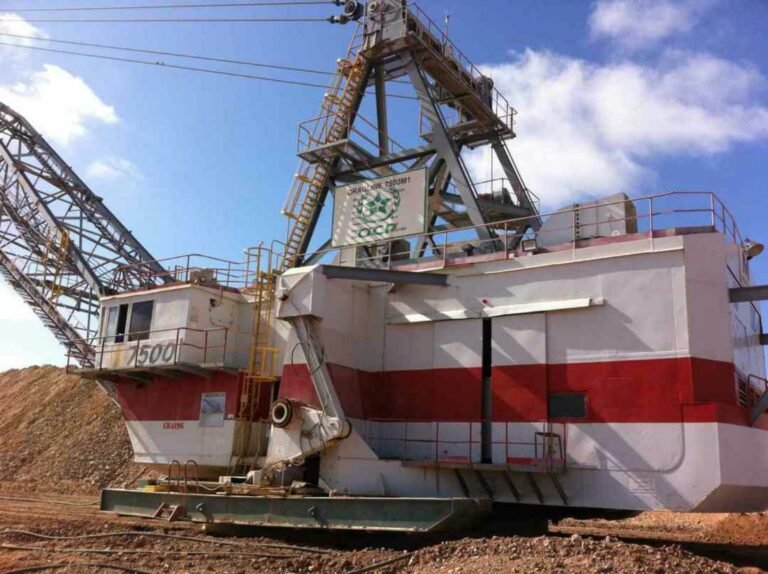
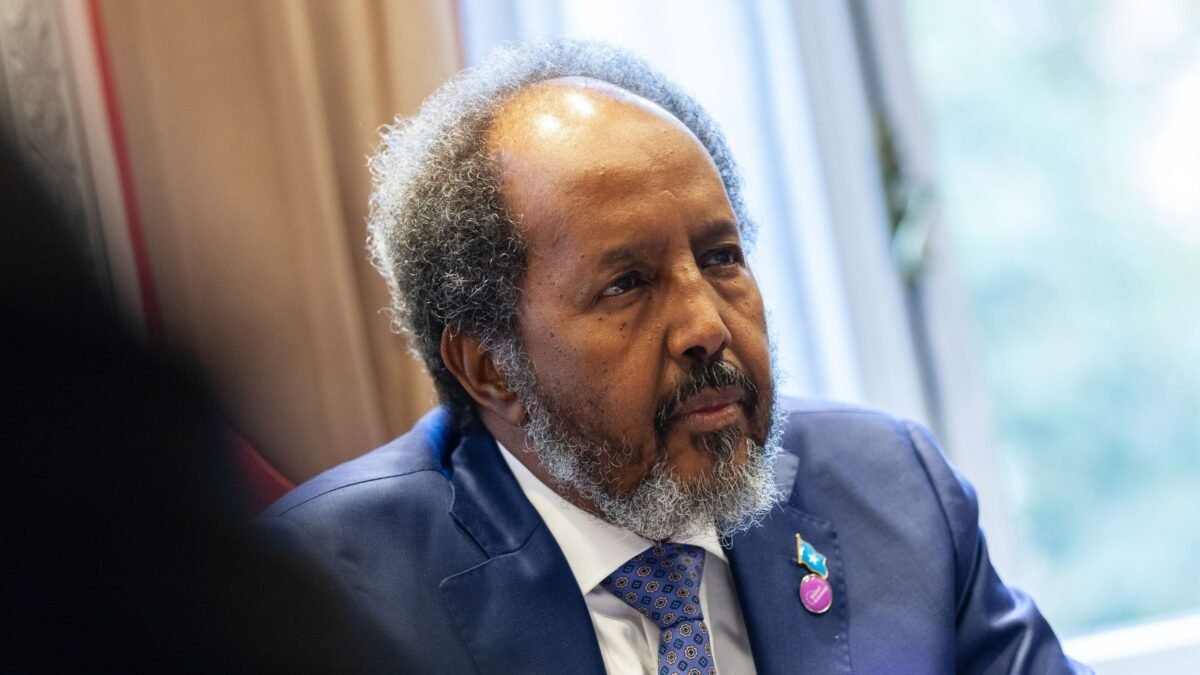
Somalia announced its first oil drilling operation in late 2025, and the announcement carried the weight of three decades of suspended possibility. The country has known for years that its sedimentary basins, onshore and offshore, hold significant hydrocarbon potential. What it has lacked, for most of the post-1991 period, is the state capacity to move from geological surveys to extraction contracts to operational drilling. The announcement by President Hassan Sheikh Mohamud that this threshold is now being crossed is a structural marker, not merely a political one.
Resource Was Never the Problem
Multiple assessments have made the geological case for Somali oil over the years. The Ogaden Basin, which extends from Ethiopia into Somalia’s interior, has long been identified as a viable hydrocarbon zone. Offshore blocks in the Indian Ocean have attracted survey interest from international energy companies operating at the edges of Somalia’s instability. The US Geological Survey and various international assessments have pointed to recoverable reserves across the country’s territorial extent. The difficulty has never been the resource. It has been the governance environment required to convert the resource into revenues.
That distinction matters enormously for what Somalia’s oil future actually means. Countries that discover significant hydrocarbons without the institutional scaffolding to govern extraction tend to experience what economists describe as a resource curse, the paradox by which natural wealth produces not development but distorted political economies, corruption, external dependency, and in fragile states, intensified conflict over resource capture. Somalia begins this process with a federal structure that is itself contested, with regions including Puntland and Jubaland asserting semi-autonomous status, and with Somaliland maintaining its separate governance entirely. Any oil revenue framework that Mogadishu negotiates will need to resolve, or at minimum navigate, those internal sovereignty questions before any single dollar of extraction revenue reaches a national account.
The Terms of Extraction
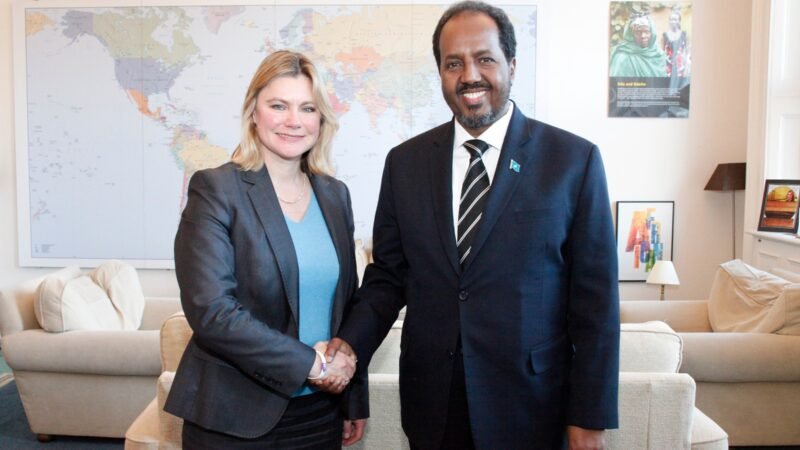
The international dimension is equally consequential. The terms of the Petroleum Law will shape Somalia’s engagement with external energy companies, the Production Sharing Agreement frameworks that govern how much of the extracted value stays within the country, and the regulatory capacity of the Ministry of Petroleum and Mineral Resources to enforce contract terms against companies with far greater legal and financial resources. These are not abstract concerns. The history of African oil states, from Nigeria to Equatorial Guinea to South Sudan, demonstrates that the structural terms of the initial extraction agreements have consequences that extend for decades. What Somalia signs in the early years of its hydrocarbon development will establish the parameters within which the resource question is answered long after the current political moment has passed.
The Security Distortion
The security dimension cannot be compartmentalised from the economic one. Al-Shabaab continues to operate across significant portions of Somali territory, including areas proximate to some of the most promising resource zones. Any operational drilling in onshore or near-shore environments will require security arrangements that either involve federal security forces, whose capacity and reliability vary significantly across regions, or private security provision of the kind that has a poor record in African resource contexts. The political economy of protecting extraction sites creates its own distortions, and Somalia enters that political economy without the decades of institutional consolidation that even imperfect oil states like Nigeria had accumulated by the time the oil money began flowing at scale.
None of these observations argues against Somalia developing its hydrocarbon resources. The country has a structural revenue deficit that constrains every dimension of governance, from security sector financing to public health investment. Oil revenues, properly structured and subject to genuine accountability mechanisms, could provide the fiscal base that donor dependency has never reliably supplied. The question is not whether to extract. It is whether Somalia has the institutional capacity and the political will to extract on terms that produce development rather than a new layer of elite capture over a new source of national wealth.
The announcement deserves to be received as the threshold moment it represents, thirty years of a state rebuilding itself enough to make this decision at all. What follows that announcement is where Somalia’s resource story will actually be written. The oil beneath its soil is a potential. What Somalia does with the governance challenge of converting that potential into sovereign wealth will determine whether this moment is the beginning of an economic transformation or the opening chapter of a familiar African tragedy dressed in new geography.
The sequencing is what should worry anyone who has watched this film before. Somalia is being asked to sign extraction contracts and resolve a contested federal settlement at the same time. The order in which it does these two things will shape the country for a generation. Oil revenue that arrives before the revenue-sharing arithmetic between Mogadishu, Puntland, Jubaland, and the regions is settled will not heal the federation; it will arm the dispute, handing every faction a new and concrete reason to claim the pipeline rather than the constitution. A barrel of oil is a remarkably efficient solvent of fragile political bargains, because it converts an abstract argument about sovereignty into a precise argument about money. The drill is the easy part. The hard part is building the agreement about who owns what before the first revenue makes the question impossible to ask calmly. Somalia has the chance to write that agreement first. The history of the continent’s oil states is largely the history of writing it second, or never.