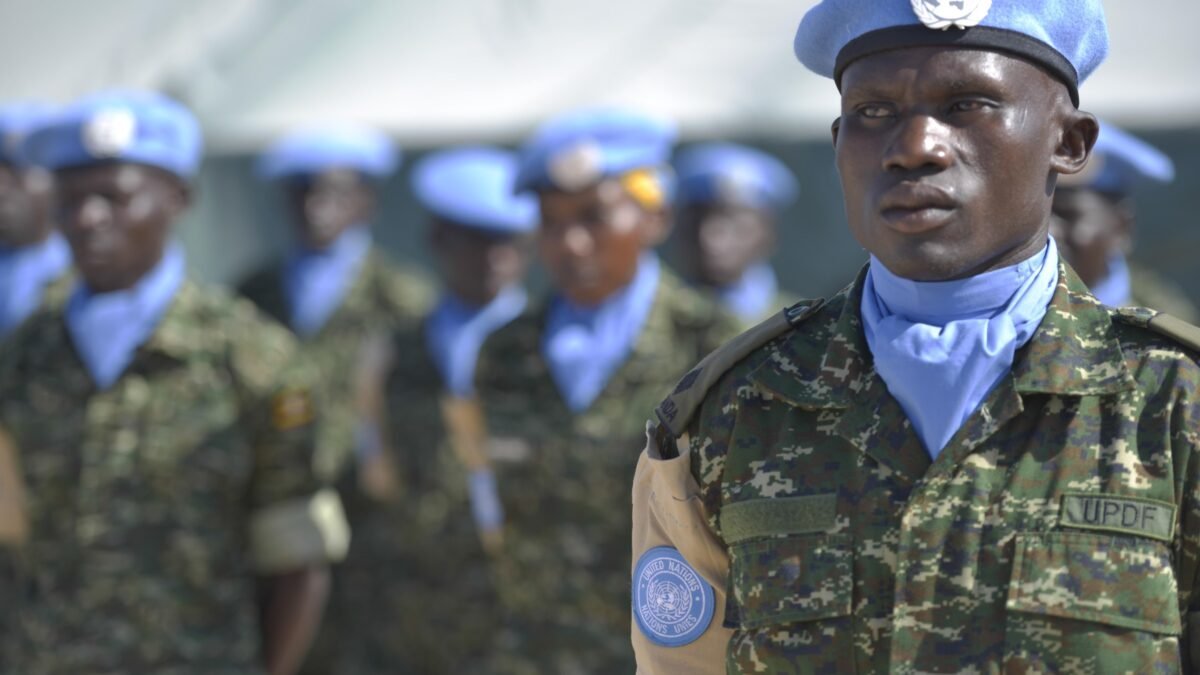
Count the blue helmets in almost any active United Nations peacekeeping mission, and the pattern repeats with a consistency that should embarrass an organisation built on the language of equal member states. Ethiopian, Rwandan, Ghanaian, Senegalese, and Tanzanian soldiers make up a large share of the troops deployed to stabilise conflicts in the Democratic Republic of Congo and South Sudan. The Central African Republic, missions authorised, funded in structure, and periodically vetoed by a Security Council on which not one African state holds a permanent seat. Africa supplies the bodies. It does not get a vote on whether the war it is being sent to police was worth entering, how long the mission runs, or whether the mandate matches the conflict on the ground. I do not think this is an oversight the international system has failed to correct. I think it is closer to the system’s actual design, and African governments have been too polite about saying so.
The Labour Without the Leverage
The numbers are not subtle. African troop-contributing countries have for years supplied a majority of personnel deployed under the UN flag, a fact repeated at African Union summits with a mixture of pride and grievance that never quite resolves into action. Pride, because it demonstrates real military and logistical capacity built by African states with limited resources. Grievance, because the countries doing the dying- peacekeepers are killed in the field with grim regularity- have no seat at the table that decides whether the mission continues, expands, or is drawn down for reasons having nothing to do with conditions on the ground. The Security Council’s five permanent members, none African, hold veto power that has repeatedly slowed or blocked action on African crises when it suited their broader diplomatic interests, from Darfur to eastern Congo.
This is not a new complaint. The African Union’s Ezulwini Consensus, adopted in 2005, has for two decades formally demanded at least two permanent African seats on an expanded Security Council, with full veto rights, not the diluted observer status occasionally floated as a compromise. Every UN reform cycle since has produced sympathetic statements from Western capitals and no actual change to the Council’s composition. The permanent members have a structural incentive to keep the veto club small, and the diplomatic cost of continuing to say no to Africa specifically, as opposed to reform in general, has proven low enough to absorb indefinitely.
Africa supplies the labour of global peacekeeping. It has never been offered the leverage that would let it set the terms.
Why the Compromise Never Comes
The honest reason reform stalls is not procedural complexity, though that excuse gets deployed often. It is that a Council seat with real veto power would let African states block interventions and sanctions regimes that affect the continent directly, exactly the leverage the current arrangement is structured to deny them. A Security Council that had to secure African consent before authorising or continuing an operation in Congo, Sudan, or Mali would be a fundamentally different, slower, and less controllable body from the perspective of the powers that currently dominate it. The absence of African permanent seats is not an accident of 1945-era diplomacy frozen in amber. It has been actively maintained through eight decades and multiple reform attempts because it serves the interests of those with the power to change it and no interest in doing so.
The Africa That Also Has to Answer
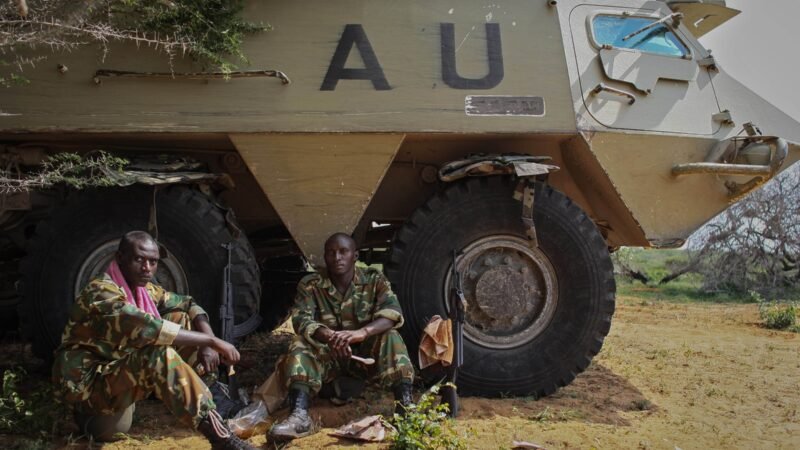
The symmetric part of this argument, the part African commentary too often skips, is that African governments themselves have not always used the leverage they do possess with any discipline. Troop contribution has become, for several states, a revenue stream, a way to fund national militaries through UN reimbursement rates rather than a coordinated diplomatic strategy tied to reform demands. The African Union has spoken with one voice on Ezulwini for twenty years and has not, in that time, credibly threatened to withhold troop contributions as leverage for Council reform, the one card that would actually cost the permanent members something. A body that supplies the majority of peacekeepers and never once asks what happens to the missions if that supply is reconsidered has chosen not to use the only real bargaining chip it holds.
I am not arguing that African states should abandon peacekeeping, which remains one of the continent’s genuine contributions to global order and a source of hard-won military professionalism and regional stability. I am arguing that supplying the labour without ever testing what happens if the labour is withheld is not principled restraint. It is a bargaining position that has been tried, has failed for twenty years, and continues to be tried in the same form because raising the stakes carries domestic political risk that reforming the Council does not, for the leaders making the choice. The safe path, keep contributing, keep asking politely, has been safe for the individual government and costly for the continent’s standing collectively.
The Security Council’s permanent members will not offer Africa a veto because it has asked nicely for two decades. They will offer it, if they ever do, because the cost of continuing to refuse becomes higher than the cost of sharing power. African states hold more of that cost-raising leverage than they have chosen to use. Until troop contribution is treated as the diplomatic instrument it actually is, rather than a service rendered in exchange for reimbursement and goodwill statements, the arrangement will not change on its own. The world will keep asking Africa to supply the peacekeepers. Africa should stop assuming that supplying them is the same thing as being heard.