Globally, extreme poverty has declined from 1.9 billion people in 1990 to around 800 million today. In Sub-Saharan Africa, it rises each dawn like a stubborn harmattan dust, unyielding, suffocating, and increasingly concentrated. As of 2025, roughly half a billion people on the continent, nearly two-thirds of the world’s extreme poor, live on less than $2.15 per day [World Bank, 2025]. Africa’s poorest are no longer a fraction of the global story. They are the story.
The triple-headed monster of conflict, institutional fragility, and violence remains the chief architect of this condition. In countries like the Central African Republic, South Sudan, and Somalia, poverty is both shadow and substance of daily life. In the Sahel and Central Africa, nations from Mali and Chad to the Democratic Republic of Congo endure poverty rates that often exceed 50 per cent, with state collapse turning existence into a fight for bare essentials.
Yet conflict alone does not write this story. Over 60 per cent of Africa’s people are under 25, a youthquake coming of age with precious few opportunities to match their numbers. By the mid-2030s, nearly half a billion young Africans will reach working age. That demographic tide could power a surge of prosperity, or swell into a wave of frustrated exclusion. Unlike in Asia, where poverty has been steadily forced back, Africa’s economic growth has been erratic, uneven, and structurally incapable of absorbing what its population produces.
The Extraction Economy as Architecture of Impoverishment
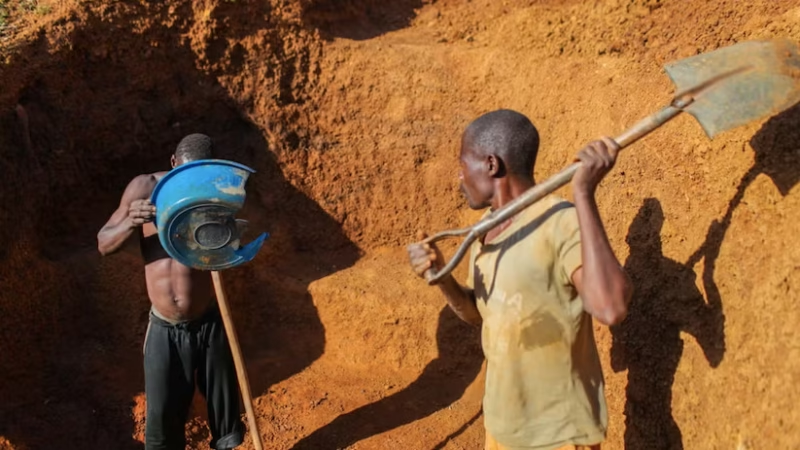
Africa’s long marriage to extractive industries has become a union of riches and ruin. From Nigeria’s oil fields to Zambia’s copper belts and the mineral veins of the Congo, the continent’s treasures are hauled out like dowry gifts, enriching a handful while leaving the many to gnaw at bones. Oil-rich Nigeria has been described as the poverty capital of the world, hosting more people in extreme poverty than any other nation. These industries are capital-heavy and job-light, a tree with a fat trunk but no shade.
The extractive economy is not malfunctioning. It is functioning exactly as designed. Wealth pools at the apex, never dripping down to nourish the roots. The aftermath is a bitter harvest: polluted rivers, hollowed lands, and political agreements that evaporate like footprints on a riverbank after the flood. This is not the resource curse as folklore. It is the resource curse as structural choice, maintained by the same governance systems that are supposed to resolve it.
“Until Africa moves from exporting raw potential to refining purpose, she will remain like a market woman selling diamonds in baskets of dust, full of value, yet constantly underpriced.”
Where Governance Has Changed the Equation
Where vision has been pursued, results are visible. Kenya has boosted electricity access to nearly 80 per cent of its citizens by harnessing geothermal steam and solar. East Africa has launched a regional power pool that sends megawatts across borders. Ethiopian dams keep Kenyan homes bright at night. New highways and railways from Lagos to Mombasa are stitching together once-isolated markets. Each connection extends the reach of opportunity, turning distant hopes into everyday reality for millions.
Ethiopia, despite its recent political turbulence, has shifted away from over-reliance on subsistence farming and invested in manufacturing and services. Rwanda, rising from the ashes of genocide, has embraced clean governance and human development, translating into steady gains in health, education, and income. These are not models to copy uncritically, but they are evidence that governance choices create material differences in population welfare.
The Human Infrastructure Gap
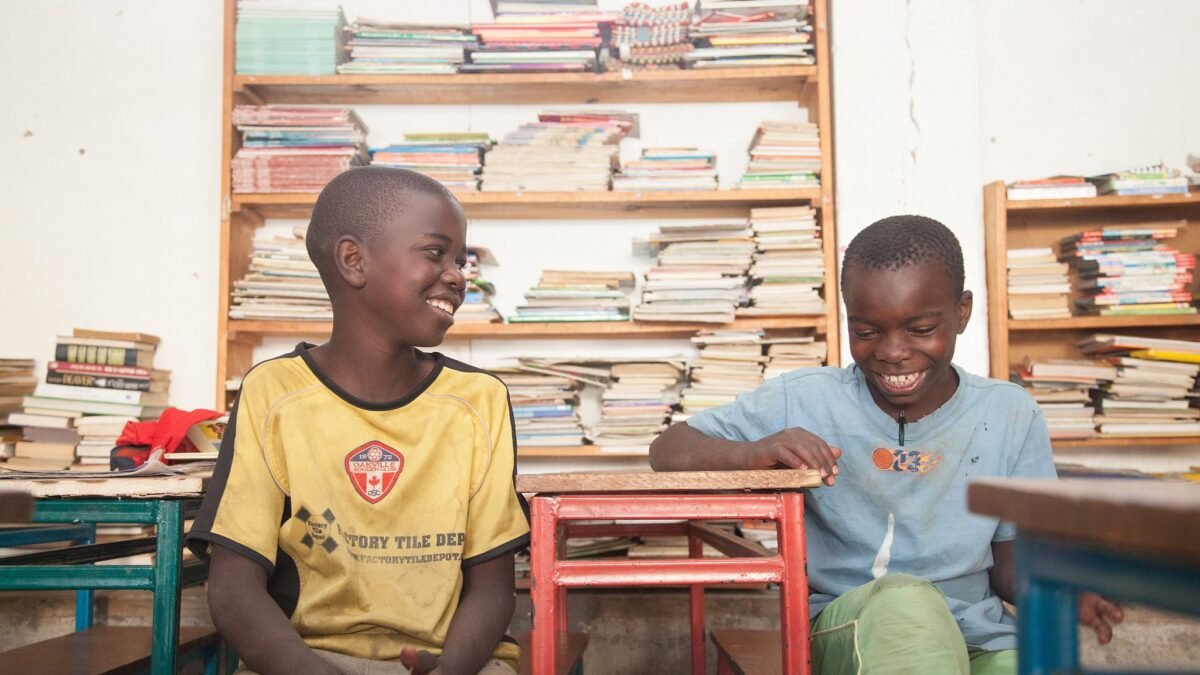
More than 600 million Africans still have no access to electricity. Nearly 100 million children have never set foot in a classroom. Infrastructure investment without skilled hands to run it is a basket that carries water; it leaks. The presence of qualified teachers and health workers is not a luxury. It is the mechanism by which brick and mortar become functional. Policymakers who ignore this lesson are not making a political mistake. They are making a structural one, compounded across generations.
The geography inside countries is as stark as the geography between them. Africa’s poverty is increasingly rural and increasingly concentrated in the places the state reaches last, the border provinces, the pastoral drylands, the districts where a road ends and an ungoverned space begins. Capital cities post growth statistics while their hinterlands post malnutrition figures, and national averages launder the difference. This is why growth alone has failed as a cure: an economy can expand for a decade while the map of deprivation barely moves, because the growth happens where the infrastructure, the ports, and the politics already are.
The Wet Clay That Can Still Be Shaped
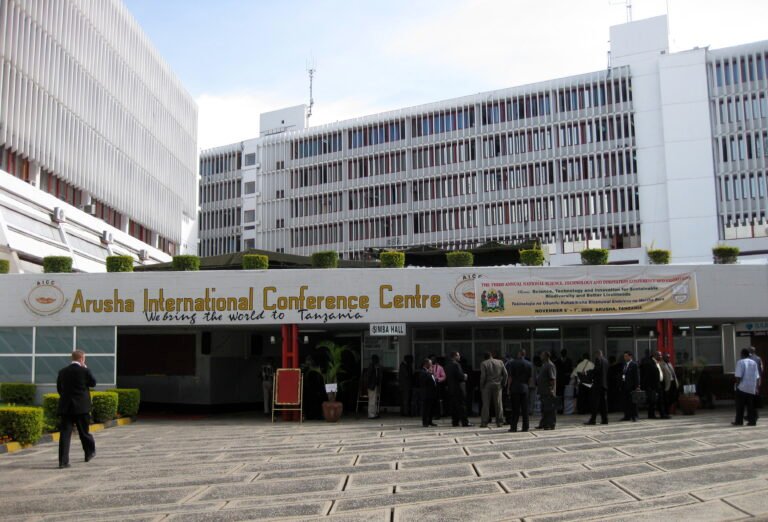
This fate is not carved in stone. It is carved in wet clay, still soft enough to reshape. With governance reform, strategic infrastructure investment, and economies no longer tethered to commodity price swings, Africa can veer off the current trajectory. The African Continental Free Trade Area is beginning to unfurl new opportunities, boosting trade among neighbours and nurturing homegrown industries from Cape Town to Casablanca.
What Africa needs are steady hands and clear-eyed leaders who govern like village elders protecting the harvest, not looters at the barn. In Zambia and Malawi, voters recently unseated entrenched regimes in favour of reformers promising accountability. In Tanzania, a new leadership has begun to rein in corruption and rekindle faith in institutions. These are not signals that the problem is solved. They are signals that the problem is not fixed. That distinction carries its own form of urgency, and its own form of hope.