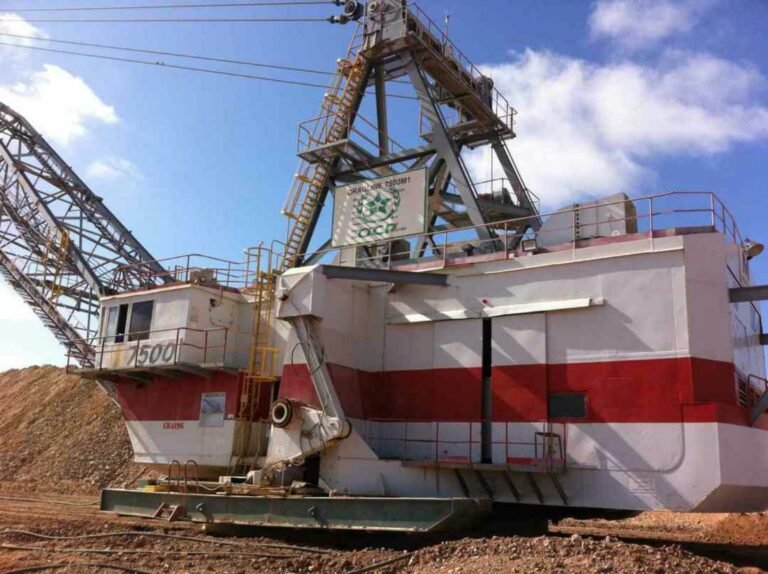
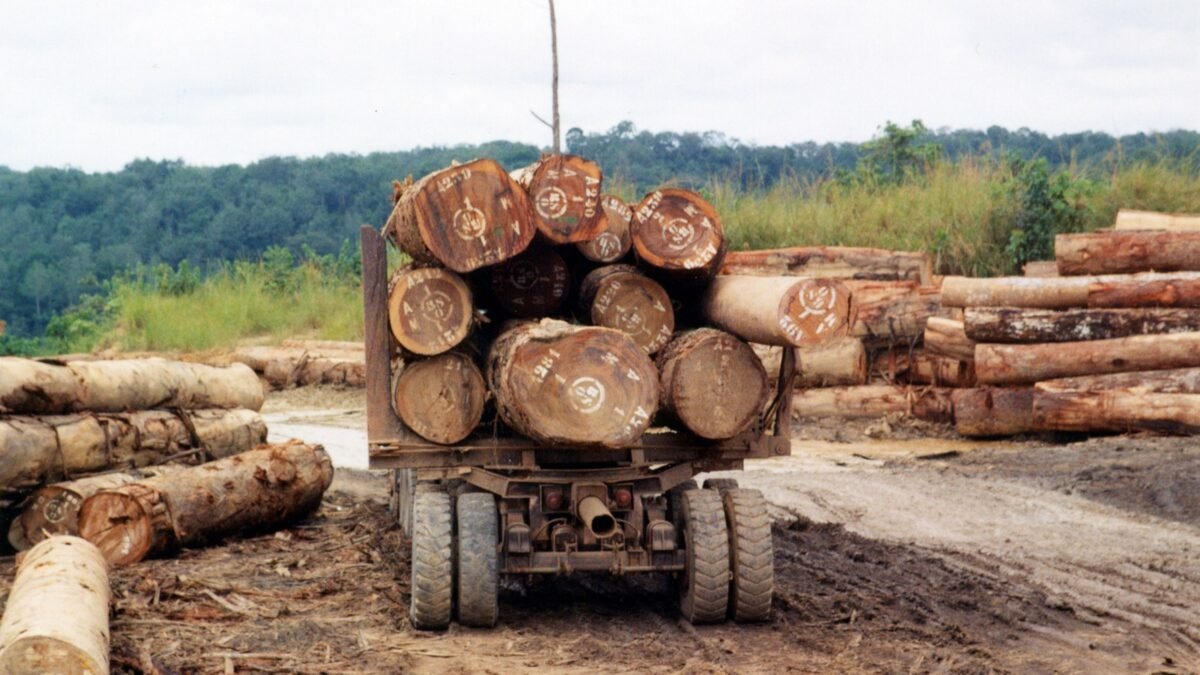
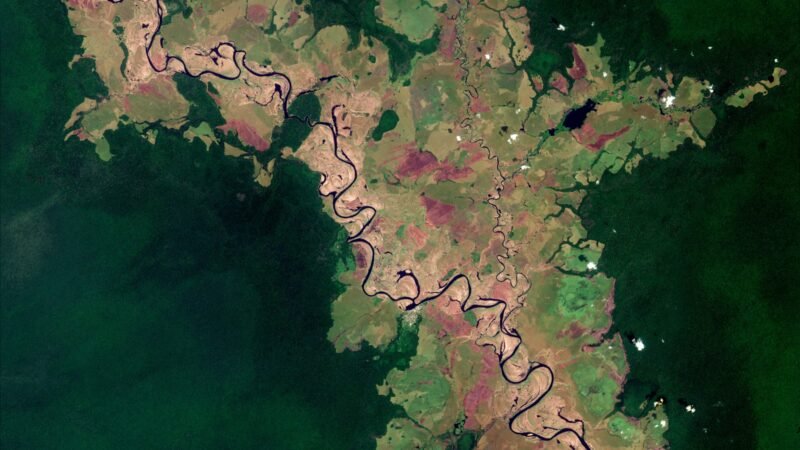
The Amazon’s 2025 drought, described by scientists as the most severe on record, edged the world’s largest tropical rainforest closer to a dieback threshold that, once crossed, cannot be reversed by human intervention on any timescale relevant to human civilisation. Africa watched that process with a recognition that is not merely empathy, the Congo Basin, the second-largest tropical rainforest on the planet, is experiencing its own accelerating pressure from a combination of climate-driven rainfall pattern shifts, agricultural encroachment, and artisanal mining that has rendered its southern edges increasingly fragile.
One Emergency, Many Symptoms
The biodiversity crisis and the climate crisis are not parallel emergencies. They are the same emergency operating through different visible symptoms. When temperature rise changes rainfall seasonality, it shifts the range of plant species that can survive in a given geography. When plant ranges shift, the insects, birds, and mammals that depend on specific plant communities face a forced migration or a mortality event. When those species decline, the ecosystem services they provide, pollination, seed dispersal, water filtration, soil stabilisation, degrade. When those services degrade, the agricultural systems built on them become less productive. When agricultural productivity declines in communities with no alternative food systems, the human consequences follow with a directness that leaves no room for abstraction.
Africa’s exposure to this cascade is disproportionate to its historical contribution to the emissions that have produced it. The continent accounts for less than 4 per cent of cumulative global carbon emissions. It contains roughly 25 percent of the world’s biodiversity. The structural inequity is as precise as it is brutal: the places that have done the least to create the climate crisis bear the greatest ecological cost of it.
The Intergovernmental Science-Policy Platform on Biodiversity and Ecosystem Services has documented that Africa is home to biodiversity reserves of global significance across its savanna, forest, wetland, and coastal ecosystems. East Africa’s Great Rift Valley lakes support endemic fish species found nowhere else on earth. The Albertine Rift, stretching across parts of Uganda, Rwanda, DRC, and Tanzania, is one of the most species-dense areas on the planet. Madagascar’s evolutionary isolation has produced a flora and fauna that is 90 percent endemic, species that exist nowhere else and whose disappearance is permanent. Each of these systems is under pressure from climate disruption that has arrived faster than the conservation frameworks designed to protect them can adapt.
The Cost of Inaction
The conservation financing gap is one of the structural explanations for the mismatch between the urgency of biodiversity loss and the response to it. Protected area networks across Africa are chronically underfunded, relying on a combination of government budgets that have other competing priorities, tourist revenue that dried up during the COVID-19 pandemic and has recovered unevenly, and international conservation funding that is itself subject to political cycles in donor countries. The rangers who maintain those protected areas, whose work is the immediate line of defense against both poaching and illegal encroachment, are often among the most underpaid workers in their national park systems, with equipment shortages that would be considered unacceptable in any comparable security context.
The relationship between biodiversity loss and economic consequence is under-accounted for in the framing that presents conservation as separate from development. Fisheries in Lake Victoria, which support the food security and livelihoods of millions of people across Uganda, Kenya, and Tanzania, have been significantly affected by invasive species, agricultural runoff, and changing lake temperatures linked to regional warming. The economic cost of that ecological disruption is not measured in species extinction counts. It is measured in protein deficits, in fishing community income collapse, in the downstream food security pressures that push people into the urban labour markets that many East African cities are not structurally equipped to absorb.
Who Holds the Key
There is also a question of leverage that the conservation conversation rarely names. Africa holds a quarter of the planet’s biodiversity, much of it in carbon sinks and gene reservoirs that the rest of the world needs intact for its own climate and food security. That is not a charity case. It is an asset, and like every African asset before it, the danger is that its value will be captured elsewhere, through carbon-credit schemes priced in distant markets, bioprospecting that patents African genetic material abroad, and conservation financing that flows to international NGOs rather than to the ranger and the fishing community who actually hold the line. A continent that lets others monetise its biodiversity while it absorbs the cost of protecting it will have repeated, in green, the old arrangement it has spent a century trying to escape. The forest is a vault the world depends on. The question is who holds the key and who is paid for guarding the door.
Africa’s biodiversity is not a heritage asset to be preserved for posterity. It is a living infrastructure that underlies the continent’s agricultural productivity, water security, and the long-term habitability of its landscapes. Treating biodiversity conservation as a luxury expenditure, something addressed after the more immediate priorities of industrialisation and poverty reduction have been resolved, is a category error. The biodiversity is the foundation. When it collapses, what it was supposed to underpin collapses with it. The climate is not waiting for Africa’s development agenda to complete itself before it accelerates. The policy response to biodiversity loss cannot wait either.