The world’s transition away from fossil fuels has a dependency it rarely names directly: the Democratic Republic of Congo. Over sixty per cent of global cobalt reserves sit beneath Congolese soil. Every electric vehicle rolling off a Tesla, BMW, or BYD production line, every battery system backing a renewable energy installation, passes through a supply chain whose most critical upstream link is a country that ranks near the bottom of every global development index. The contradiction is structural, and it is not accidental.
The DRC’s cobalt wealth has not produced Congolese development because it was never designed to. The institutional architecture through which cobalt extraction occurs- artisanal mining networks controlled by a combination of local operators, militia groups, and corrupt officials; industrial operations owned by foreign corporations; a regulatory framework that exists on paper more reliably than in practice- was not built to convert resource value into national prosperity. It was built to ensure that resource value exits the country efficiently. By that measure, it functions well.
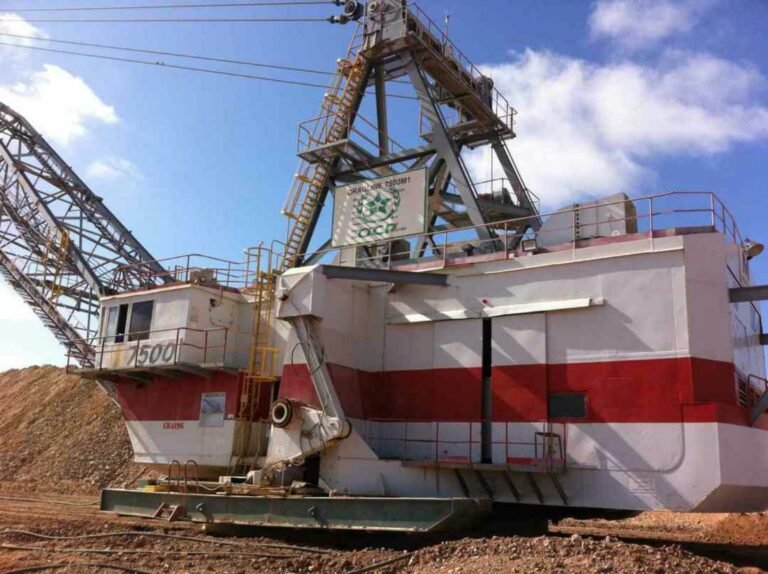
Chinese companies, led by Zhejiang Huayou Cobalt and a network of affiliated operators, control the dominant share of the DRC’s cobalt supply chain from extraction through processing. China’s position is not simply commercial; it is geopolitical. By securing long-term mining rights and investing in the infrastructure necessary to move cobalt from shaft to international market, China has embedded itself in the upstream segment of a global supply chain that Western economies now recognise as strategically critical. Western governments and corporations have spent the past several years attempting to diversify their cobalt sourcing, not because they object to extraction conditions in the DRC, but because they object to Chinese control over a mineral their own industrial strategies require.
This distinction matters for the DRC. Neither Chinese nor Western engagement in Congolese cobalt has been structured around Congolese development as a primary objective. Both have been structured around supply security. The difference is in the rhetoric: Western corporations produce ethics statements about responsible sourcing; Chinese companies produce infrastructure. Neither has produced a Congolese cobalt sector in which local communities receive proportional economic returns from the extraction occurring beneath their land.
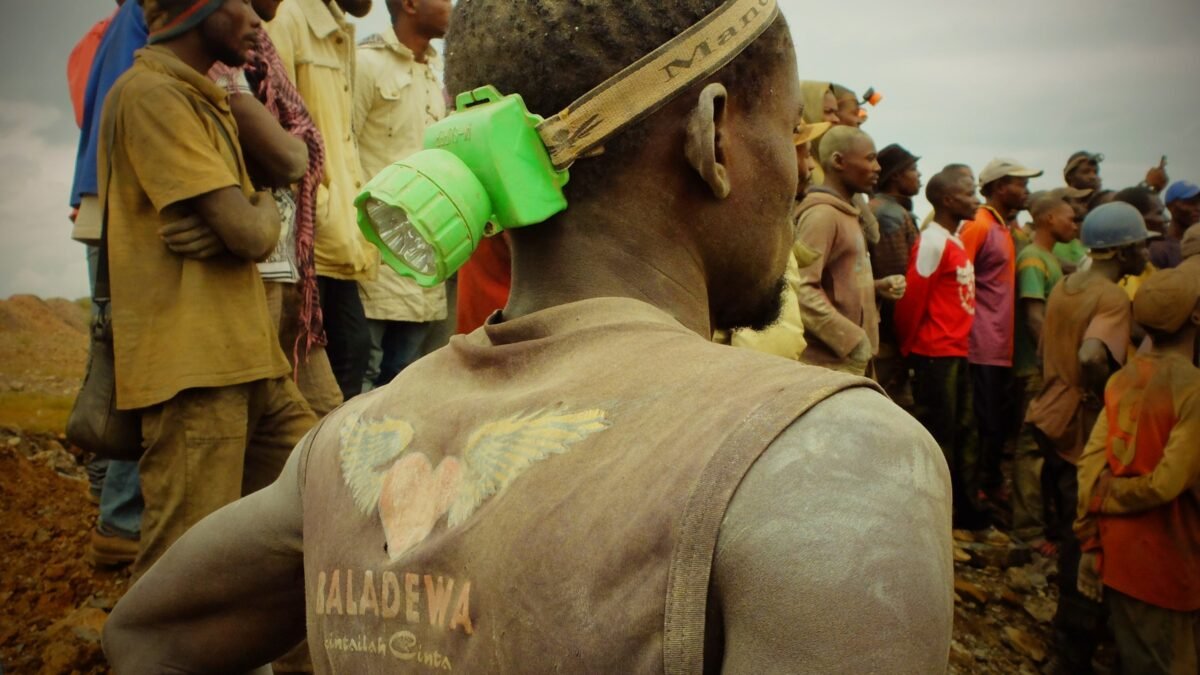
The artisanal mining sector, which employs hundreds of thousands of Congolese and accounts for a significant share of cobalt production, is the most direct measure of this failure. Artisanal miners operate without protective equipment in mines without safety infrastructure, earning daily rates that bear no relationship to the global commodity price of the mineral they extract. The health consequences- respiratory disease from cobalt dust, heavy metal contamination in local water sources, and contaminated agricultural soil- are borne entirely by Congolese communities that have no meaningful recourse against the corporations whose supply chains their labour enters.
Corporate responsibility initiatives, traceability programmes, blockchain supply chain monitoring, and ethical sourcing audits have proliferated in response to public pressure from investors, journalists, and civil society organisations. Their practical effect has been limited. Traceability systems address symptoms, not causes. As long as the DRC’s institutional frameworks remain too weak to enforce labour standards, environmental regulations, or revenue distribution requirements, transparency tools document the same extractive arrangements with greater technical sophistication. The mine records become cleaner. The miners do not.
The environmental accounting follows the same logic. The global shift to electrification is marketed as a contribution to planetary sustainability. The environmental costs of cobalt extraction in the DRC- soil erosion, water contamination, biodiversity loss, deforestation- are not included in that accounting. They are externalised onto Congolese communities while the sustainability benefits are claimed by consumers in Europe, North America, and East Asia. This is not an oversight. It is the way extractive relationships have always distributed costs and benefits across the global economy.
The DRC stands at a juncture it has stood at before: globally indispensable resource wealth has once again positioned it as a critical supplier without translating that indispensability into negotiating leverage. The government’s attempts to increase state participation in mining revenues, through royalty adjustments, revised mining codes, and state enterprise involvement, have produced industry pushback from both Chinese and Western operators, supported in some cases by implicit diplomatic pressure from their home governments.
The global green transition does not need a sustainable DRC. It needs sustainable cobalt supply. Those are not the same requirement, and the architecture of the global cobalt market has been built around the second without the first. For that to change, the DRC needs institutional capacity capable of enforcing a different bargain, and the international community needs to decide whether it is willing to support that capacity or whether the clean energy future it is building will, like every extractive regime that preceded it, be paid for in Congolese lives.