
On 13 July, the Council of the European Union moved against the fuel of Sudan’s war rather than its front lines. It banned the purchase, import and transfer of gold originating in Sudan, and, in a quieter but telling second measure, banned the sale and export to Sudan of mercury and cyanide, the two chemicals that turn raw ore into refined metal. The logic is unambiguous. Gold is what pays for the fighting, and Brussels has decided to attack the money before the guns.
The scale explains the target. In 2024, the Sudanese Armed Forces earned roughly 1.6 billion dollars from gold and the Rapid Support Forces about 1 billion, making the metal the single largest revenue source for both belligerents. The RSF controls most of the gold-producing zones in Darfur and Kordofan, while the army dominates output in the north and east. A war that has killed tens of thousands and displaced some 14 million people since 2024 runs, in accounting terms, on a commodity that can be dug from the ground with hand tools and carried across a border in a bag.
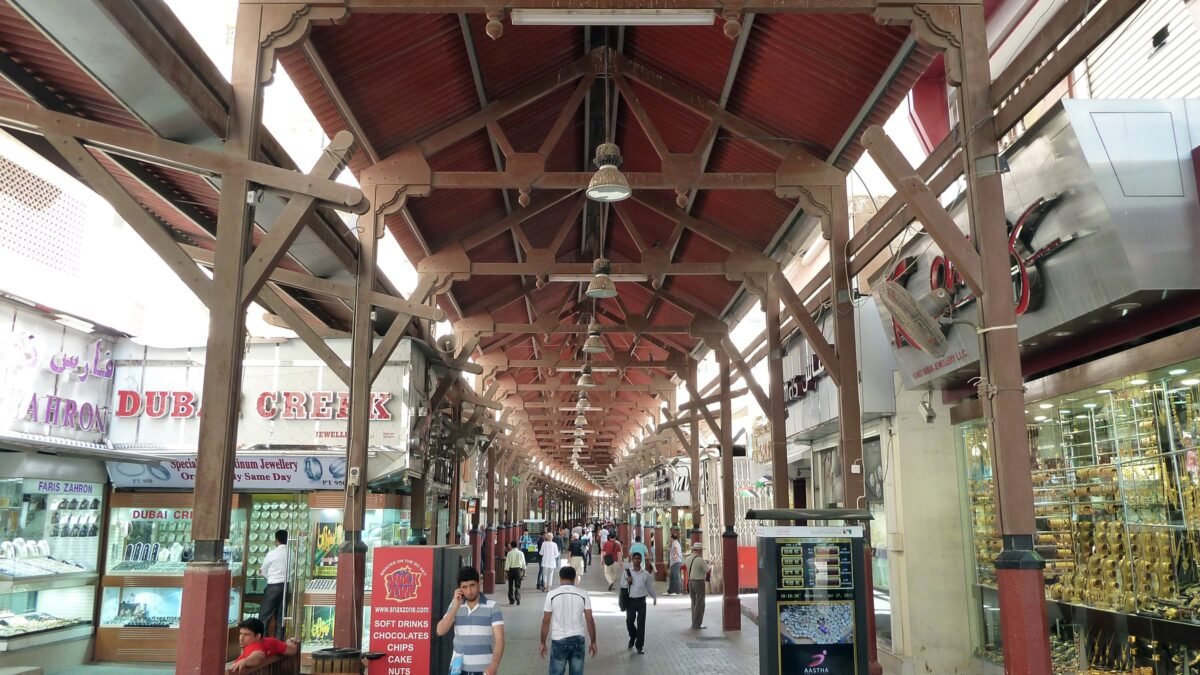
That portability is precisely the problem the ban runs into. An estimated 90 per cent of Sudan’s gold exports move through the United Arab Emirates, above all through Dubai’s refining and trading ecosystem, and UN experts assess that more than half, by some estimates as much as 70 per cent, of the country’s gold is smuggled out each year. The metal that leaves Sudan does not arrive in Europe stamped as Sudanese. It arrives refined, re-labelled and cleared through a jurisdiction that has built an entire industry on asking few questions. A European ban on gold of Sudanese origin bites only where origin can still be traced, and the laundering circuit exists specifically to erase it.
This is where the sanction reveals its own geometry. The war economy has two ends. One is African, where the ore is mined under the control of armed factions and civilians work the pits under conditions set by whoever holds the ground. The other is in the Gulf, where the gold is refined, mixed into the global supply and sold at a margin captured far from the country that bled for it. The EU has acted decisively on the first end and hesitantly on the second, targeting the metal and the chemicals while stopping short of the designations that would fall on the buyers, refiners and intermediaries who convert Sudanese conflict gold into clean bullion. The pressure lands on the point of extraction. The value continues to be captured at the point of clearing.
Nor is the African side of the ledger merely a victim of that circuit. Both belligerents run the smuggling as policy rather than leakage: the Rapid Support Forces and the army each protect the routes that carry their gold, and the trade’s informality is a feature they depend on, not a weakness imposed from outside. And a ban on the traceable end without pressure on the machinery of concealment can raise the premium paid to those who erase origin, leaving the laundering half of the circuit more valuable, not less.
None of this makes the measure empty. Cutting off mercury and cyanide is a genuine constraint on an artisanal supply chain that depends on both, and formalising an origin ban gives European firms a legal reason to sever exposure they might otherwise have tolerated. Sanctions of this kind work by accumulation, closing routes one at a time until the friction raises the cost of doing business. The ban is a brick in that wall. The question is whether the wall is being built around the mine or around the refinery.
Sudan’s war has already shown that the modern contest is less about holding territory than about controlling the systems that convert territory into money and power. Gold is the clearest of those systems, a store of value that is liquid, anonymous and immune to the collapse of the currency and the banks around it. As long as the metal can be moved and cleared, the fighting has a self-financing engine that no ceasefire on the ground touches. Choking that engine means following the gold past the border, into the refineries and trading houses where its origin is dissolved and its profit realised.
The measure Brussels passed is the right instrument aimed, for now, at the wrong end. A ban that stops Sudanese gold at Europe’s door while the same metal clears freely through Dubai treats the symptom visible on the African side of the ledger and leaves the demand-side architecture intact. Sudan is where this war economy is produced. It is not where it is paid out. Until the sanction reaches the place where the value is captured, the gold will keep flowing, and so will the war it funds.