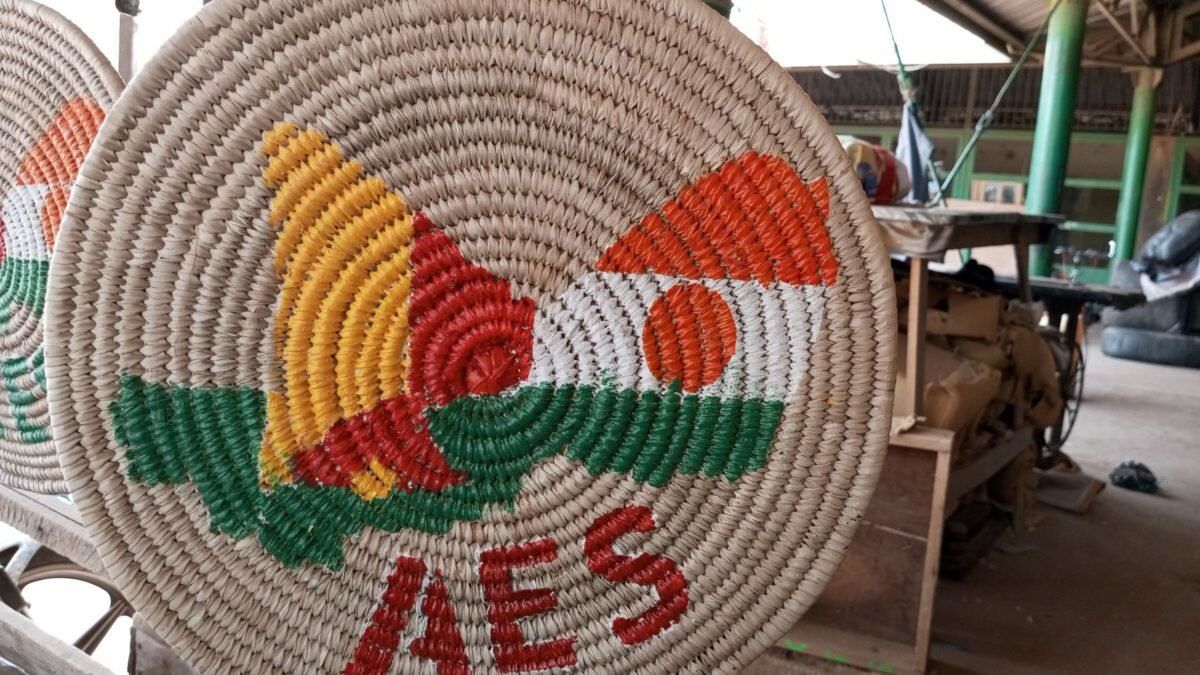
Niger has taken the formal legal steps to leave the International Criminal Court, nine months after announcing it would, and it has not walked out alone. Mali and Burkina Faso have begun the same year-long withdrawal from the Rome Statute, moving together as the military-led bloc they now form. Niger described the court as misused and exploited. Burkina Faso called it a selective and politicised tool. Completing the process would place them alongside Burundi and the Philippines, the only states to have fully exited the tribunal since it was founded.
The reflex reading is that three governments under military rule are shutting the door on accountability because they expect one day to need the shelter. That reading is not wrong, but it stops at the motive and misses the mechanism the exit exposes. The more revealing question is why leaving costs these states so little that they can do it in public, in concert, and frame it as a matter of principle rather than evasion.
The answer sits in the design of the court itself. The ICC has no police force and no territory. It acts through the cooperation of its member states, which means its reach over any government depends, in the end, on that government’s continued consent to be reachable. For citizens of a functioning state party, that consent is a real constraint on power. For a military administration that has already exited ECOWAS, expelled foreign garrisons and rebuilt its security partnerships from Paris toward Moscow, the treaty was a formality it could revoke at will. The withdrawal reveals that the court’s authority over exactly the governments most likely to generate cases has always rested on their permission to be judged.
The Sahel bloc has grasped this and is trading on it. Framing the ICC as a court that pursues African defendants while sparing powerful states elsewhere is a critique with enough history behind it to land, and the juntas deploy it not to reform the institution but to justify leaving it at no reputational cost at home. Sovereignty is the language. The substance is a calculation that the international-justice order was never going to protect their populations and was never going to bind their leaders, so departure surrenders nothing they valued.
The people who lose are named plainly by the court’s critics. The Assembly of States Parties said it regrets the withdrawals and warned they weaken the effort to end impunity. Human Rights Watch said the moves betray victims and narrow the already thin avenues for accountability across a region where civilians face documented violations by armed groups and state forces alike. In a zone of active conflict, the ICC was one of the few forums, however slow and however distant, in which a case could in principle be brought when no national court would hear it. Removing it does not transfer that function elsewhere. It closes it.
The juntas’ sharpest argument is also the one the system finds hardest to answer. The most powerful states never placed themselves under the court’s reach at all. The United States, Russia and China are not members, and Washington has actively sanctioned ICC officials for investigating its own conduct and that of its allies. A tribunal whose docket has fallen heavily on African defendants while the architects of the largest interventions sit beyond its jurisdiction hands the Sahel a critique it did not have to invent. That the argument is self-serving does not make it false, and its being true does not make the withdrawal costless for the people left without recourse. Both hold at once, and an honest reading refuses to collapse either into the other.
What the exit lays bare is a structural weakness the international system prefers not to examine. An accountability architecture that runs on the voluntary submission of its members is strongest over the states least likely to need it and weakest over those most likely to. When a government decides that the costs of leaving are lower than the risks of staying, the treaty offers no answer, because it was built on consent rather than compulsion. The Sahel is not breaking a system that would otherwise have held it to account. It is demonstrating that the system was optional all along, and acting on the demonstration.
That is the consequence worth tracking beyond the region. Three of the world’s poorest and most conflict-exposed states have concluded that the global justice order asks more of the willing than it can extract from the unwilling, and that the price of opting out is one they can pay. Other governments watching from other capitals will draw their own conclusions about what the Rome Statute actually obliges them to do. The court will keep its docket and its principles. Whether it keeps its jurisdiction over the places that need it most is now, more visibly than before, a matter those places decide for themselves.