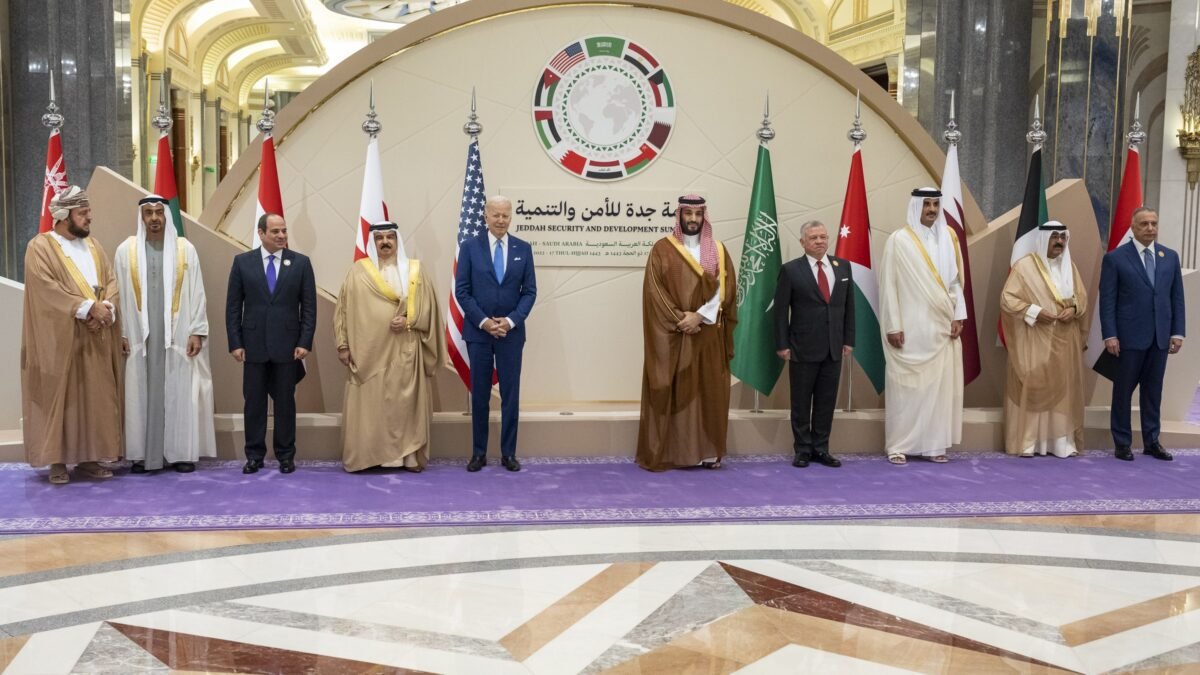
When Saudi Arabia deploys billions to Egyptian infrastructure, tourism, and energy, and simultaneously coordinates security postures, diplomatic messaging, and regional coalition-building with Cairo, it is not engaging in bilateral economic relations. It is constructing a regional architecture. The distinction matters, and Africa’s strategic analysts have been slower than they should be to engage with what that architecture means for the continent’s northern tier.
Egypt is the hinge on which this construction turns. As the most populous Arab country, the geographic bridge between the Arabian Peninsula and North Africa, the custodian of the Suez Canal, and the possessor of the largest military force in the Arab world, Egypt is not simply a convenient partner for Saudi Vision 2030’s diversification agenda. It is the anchor that Saudi regional strategy requires if Riyadh is to position itself as the dominant power in an Arab world increasingly contested between Riyadh, Ankara, Doha, and Tehran.
The Financial Architecture
The Saudi-Egyptian Investment Fund, operating across infrastructure, real estate, tourism, energy, and manufacturing, represents the financial infrastructure of this architecture. The Red Sea megaproject zone creates an economic corridor that links Saudi Arabia’s NEOM project with Egyptian development priorities, producing interdependence at the supply chain level that outlasts any individual political relationship. Saudi-backed renewable energy projects in Egypt align Saudi Vision 2030’s domestic economic transformation goals with Egypt’s infrastructure requirements, a structure in which both countries benefit, but in which Saudi Arabia retains the capital leverage that shapes the terms of benefit distribution.
For Egypt, the relationship carries both necessity and risk. The Egyptian pound’s sustained pressure, driven by external debt obligations, import dependence, and the economic aftershocks of the pandemic, has made Saudi capital flows essential to macroeconomic stability. Saudi investment has provided foreign currency liquidity that allowed Egypt to pursue IMF-supported fiscal reforms without the social destabilisation that unmediated adjustment might have produced. That dependence is itself a form of leverage, and Cairo’s foreign policy positions on Gulf-related questions have tracked Saudi preferences with a consistency that reflects an understanding of this reality.
The geopolitical logic runs through several simultaneous calculations. Iran’s expanding influence in Yemen, Iraq, Lebanon, and through its nuclear programme is the primary threat that unifies Saudi and Egyptian strategic interests at the regional level. Turkey’s post-Erdogan activism in North Africa, particularly in Libya, represents a secondary but significant source of concern for both Cairo and Riyadh. Qatar’s historical support for Muslim Brotherhood-affiliated political movements, which Egypt banned as a terrorist organisation after the 2013 coup, remains a live irritant in the regional architecture, even after the 2021 Gulf reconciliation formally restored relations.
Where Africa Enters
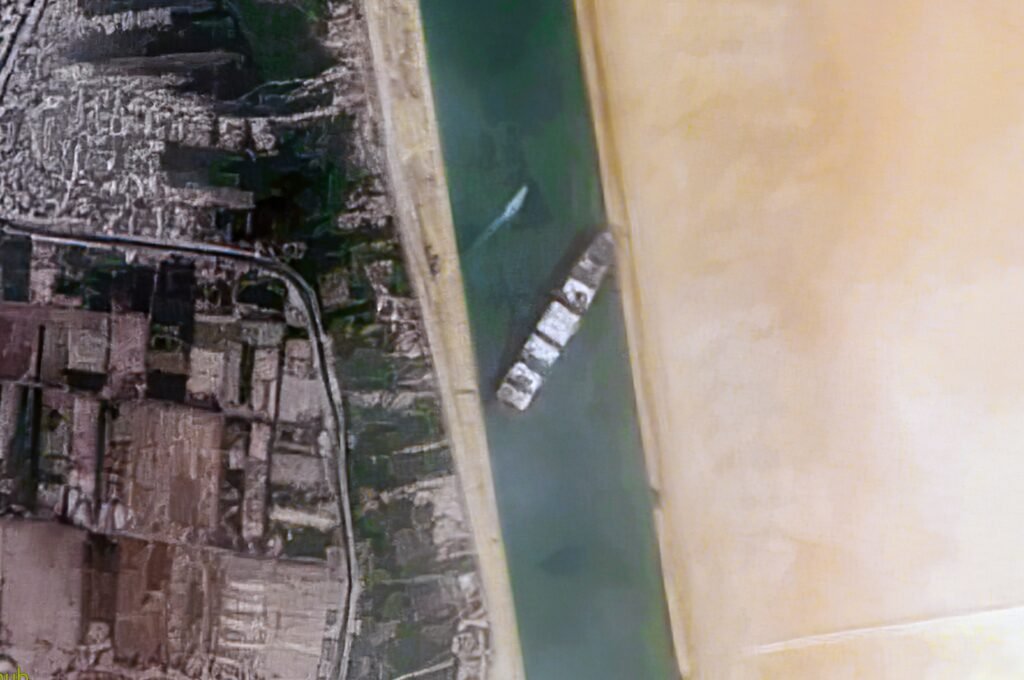
The Red Sea and Suez Canal dimension brings Africa directly into this calculus. Saudi Arabia’s economic future, and Egypt’s, depend on the stability and openness of maritime corridors that run along Africa’s northeastern coast. The Bab el-Mandeb Strait, through which oil exports and manufactured goods move between Asia, the Gulf, and European markets, is directly affected by the security dynamics in Yemen and the Horn of Africa. Any Saudi-Egyptian partnership that does not account for the security architecture of the Red Sea corridor is incomplete, and both capitals understand this.
Libya and Sudan as Test Cases
For Libya and Sudan, the two North African states where Saudi-Egyptian influence has been most actively deployed, the implications are concrete. In Libya’s fragmented political landscape, Saudi and Egyptian support for the Libyan National Army and associated political formations reflects a shared preference for counterterrorism-oriented governance that prioritises stability over the electoral process. In Sudan, where a fragile post-Bashir transition has been further complicated by the 2023 civil war between the Sudanese Armed Forces and the Rapid Support Forces, Saudi and Egyptian engagement shapes the diplomatic environment in which international responses are being constructed.
The risks in this architecture are real, and Egypt carries the greater share of them. An economy structurally dependent on a single bilateral partner’s capital flows is vulnerable to any shift in Saudi priorities, whether driven by domestic Vision 2030 fiscal pressures, global oil price volatility, or geopolitical recalculation. Egypt’s ability to maintain independent foreign policy positions on questions where its interests genuinely diverge from Riyadh’s- the Israeli-Palestinian conflict, Ethiopian dam negotiations, Libyan factional alignments- is constrained by the terms of its economic relationship in ways that are not always visible in formal diplomatic communications.
What is being built between Saudi Arabia and Egypt is not simply a partnership between two important countries. It is an attempt to construct a post-American Arab order, a regional architecture anchored by Gulf capital and Egyptian institutional weight that can manage the MENA region’s security, economic, and political challenges without the degree of American involvement that characterised the previous half-century. Whether that architecture is sustainable and whether it serves the interests of the populations it governs as effectively as it serves the interests of the governing elites are questions that the region and the continent whose northern tier is directly affected will be answering for decades.