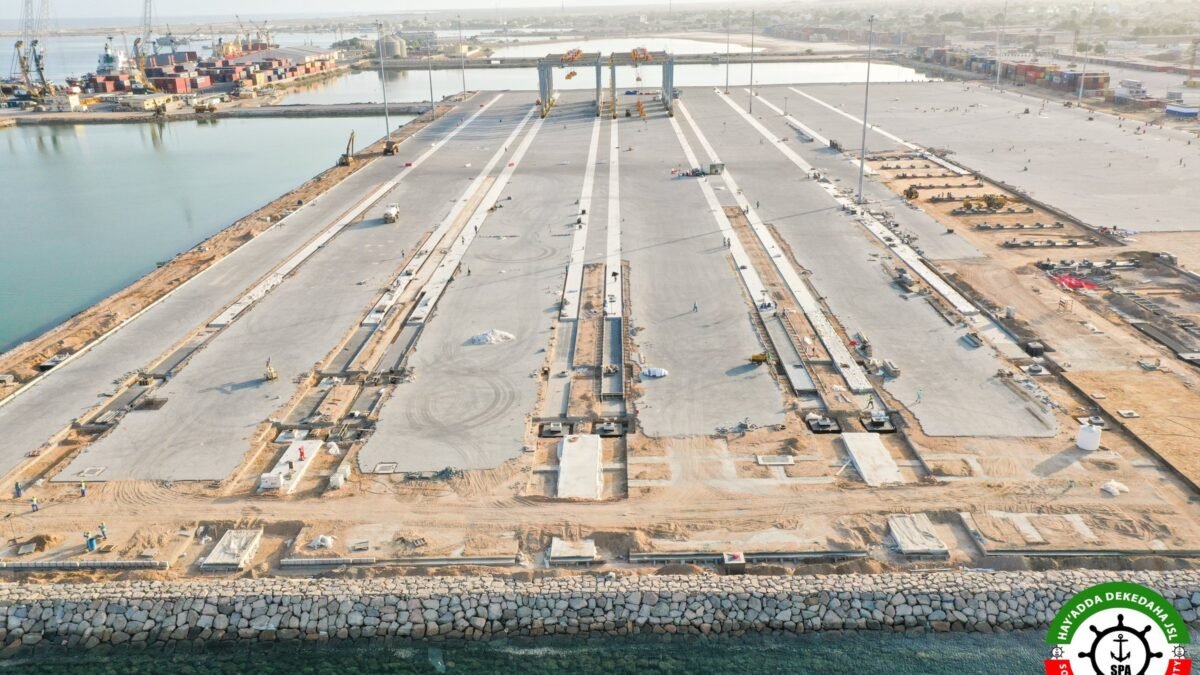
The signing ceremony in a coastal capital had the familiar grammar of good news. A Gulf state-backed operator would invest in a new container terminal, modernise the port, and connect it to an inland logistics corridor, bringing capital, jobs, and efficiency that the host government could not finance alone. Read one way, it was exactly that. Read structurally, it was one more node in a deliberate acquisition: across the past several years, the sovereign capital of the Gulf states, principally the United Arab Emirates and Saudi Arabia, has been converting oil revenue into African ports, farmland, mines, telecoms, and the corridors that link them. The event is a port concession. The structure beneath it is a question of who will own and operate the physical infrastructure of African trade a generation from now, and on whose terms.
The logic on the Gulf side is coherent and worth respecting before it is critiqued. Oil-producing states with finite reserves are racing to convert hydrocarbon wealth into durable assets before the energy transition erodes the value of what is in the ground. African ports, farmland, and minerals are attractive precisely because they are real, productive, and located along the trade routes between Asia, Africa, and Europe that Gulf logistics firms already dominate. A terminal in the Horn of Africa, a farm in the Nile basin, a stake in a copper belt, each is a piece of a strategy to be the indispensable intermediary of a fast-growing region. This is patient, directed capital pursuing a plan, which is more than can be said for much of the financing Africa has historically been offered.
Infrastructure Is Not Neutral
That coherence is the reason the deals deserve scrutiny rather than gratitude. Infrastructure is not a neutral asset. A port is a chokepoint, the single point through which a country’s seaborne trade must pass, and whoever operates it holds a measure of influence over the economy that depends on it. Farmland leased to a foreign sovereign to grow food for export is land withdrawn from the host country’s own food system. A logistics corridor financed and operated by an external power is a route whose tariffs, priorities, and access can be set with that power’s interests in mind. When a government signs these concessions, it is not only attracting investment. It is deciding who controls the arteries of its economy, and for how long.
A port is a chokepoint, and whoever operates it holds a measure of influence over the economy that depends on it. Infrastructure is never a neutral asset.
What Is Traded Away
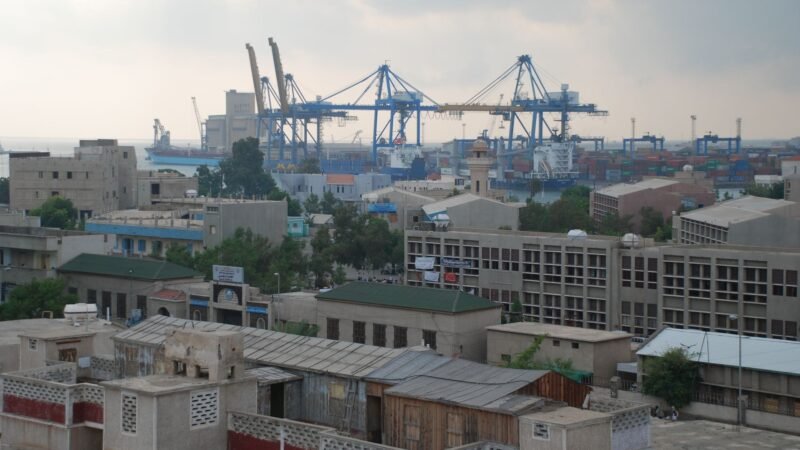
Follow the leverage and the terms of the exchange come into focus. The Gulf operator captures the operating margin, the strategic position astride a trade route, and an asset that holds value as oil declines. The host government captures upfront capital and the political credit of a ribbon cutting. What is traded away is control, often for concession periods measured in decades, frequently negotiated by governments with limited capacity to model the long-run value of what they are leasing, and sometimes structured so that the host’s leverage decreases over the life of the contract. The risk that the asset is underpriced, that the terms favour the operator, that a future government inherits a constraint it cannot easily unwind, sits with the African state. The benefit of certainty sits with the buyer.
Negotiating From Scarcity
The symmetric judgement falls squarely on the African side of the table, because these are sales the continent is choosing to make. No one is seizing these ports; governments are signing them away, often in conditions of fiscal distress that make upfront cash irresistible and long-run cost easy to discount. The deficit is one of negotiating capacity and strategic patience: the absence of the legal, financial, and technical expertise to value a fifty-year concession against a one-time payment, and the political incentive to take the cash now and leave the constraint to a successor. The Gulf funds negotiate as professionals with a plan. Too often the African counterpart negotiates as a treasury with a gap to fill. The mismatch, not the appetite of the buyer, is what produces lopsided deals.
There is a version of this relationship that serves Africa, and naming it matters so the analysis does not collapse into refusal. Gulf capital can build genuinely needed infrastructure, transfer operating expertise, and integrate African economies into global trade on better terms than they now enjoy, provided the host retains ownership of the asset, structures concessions with real reversion and revenue-sharing, and negotiates as a strategic actor rather than a distressed seller. The difference between investment and acquisition is not the nationality of the money. It is the structure of the deal and the capacity of the government that signs it. Capital that builds an asset the host ultimately controls is partnership. Capital that leases the chokepoint for two generations is something else.
The verdict is that the coast is being bought one signature at a time, and the continent is still deciding whether it is selling assets or leasing control. The pace favours the buyer, because oil wealth is patient and fiscal distress is urgent, and every year the gap goes unaddressed is a year more of the physical economy passes into external operation. Africa does not need to refuse Gulf capital, and refusing it would forfeit real gains. It needs to negotiate from strategy rather than scarcity, to value what it is signing over the full life of the contract, and to remember that a port handed to an operator for fifty years is a decision the next ten governments will live inside. Gulf money is buying the coast. Whether Africa is investing or divesting depends entirely on the terms written into the deeds it is signing now.