For centuries, the Catholic Church disregarded Africa, its full gaze fixed on Europe. African believers, though central to the faith’s growth, were like the village drums: always present, always playing, never leading the dance. Then Pope Francis arrived, and the choreography changed. He did not merely open the Church’s window to Africa; he moved to redraw who stood at its centre.
Francis, who died on April 21, 2025, left behind a papacy that will likely be remembered as the institutional hinge on which Catholicism finally turned to face its own future, and that future wears an African face. By 2013, Africans made up approximately 20 per cent of the world’s Catholics, yet only 9 per cent of global cardinals hailed from the continent. The continent added some 34 million new Catholics every decade, yet its voice in Vatican halls was barely more than a whisper. Francis read that asymmetry as structural failure and moved to correct it, not symbolically, but architecturally.
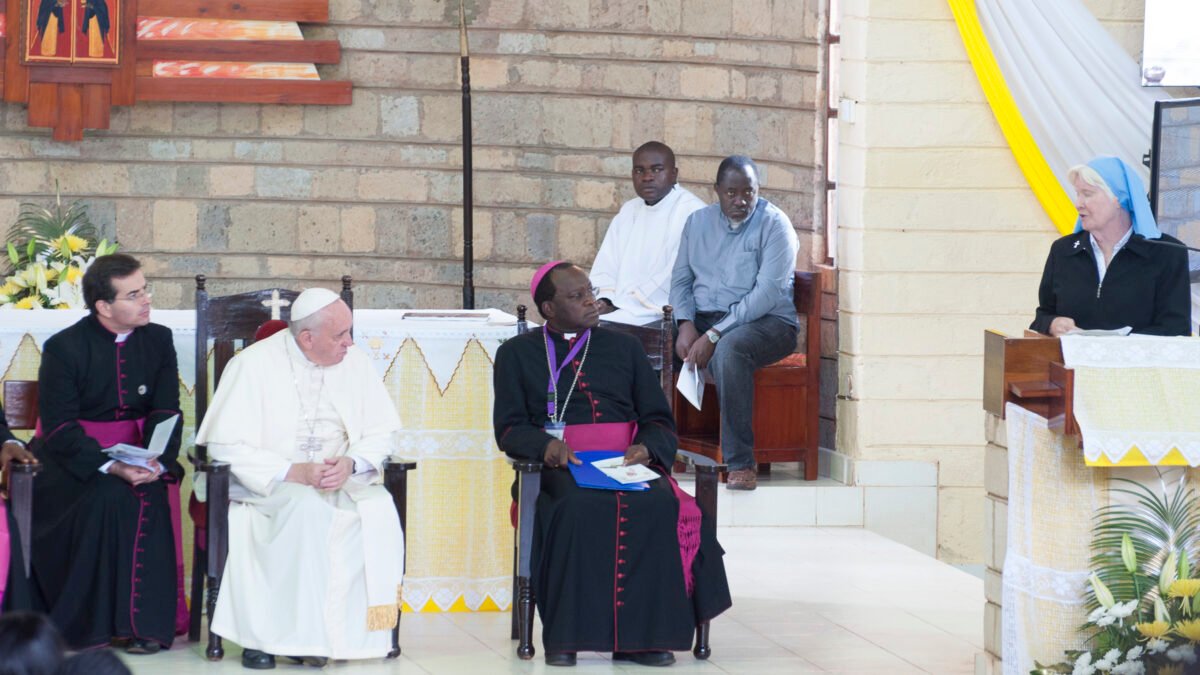
Under his watch, the number of African cardinals doubled from nine to eighteen. This was not window dressing. Among the most significant voices to rise was Cardinal Fridolin Ambongo of the Democratic Republic of the Congo, an outspoken critic of inequality and corruption within and beyond the Church. Cardinal Peter Turkson of Ghana broke a centuries-old ceiling when he became the first African to lead a major Vatican department, the Dicastery for Promoting Integral Human Development, where he spoke directly about inequality, climate change, and Africa’s claim on its own resources. These were not honorary postings. They placed African clerics inside the machinery that sets doctrine and allocates the Church’s institutional attention.
Decolonising the Liturgy
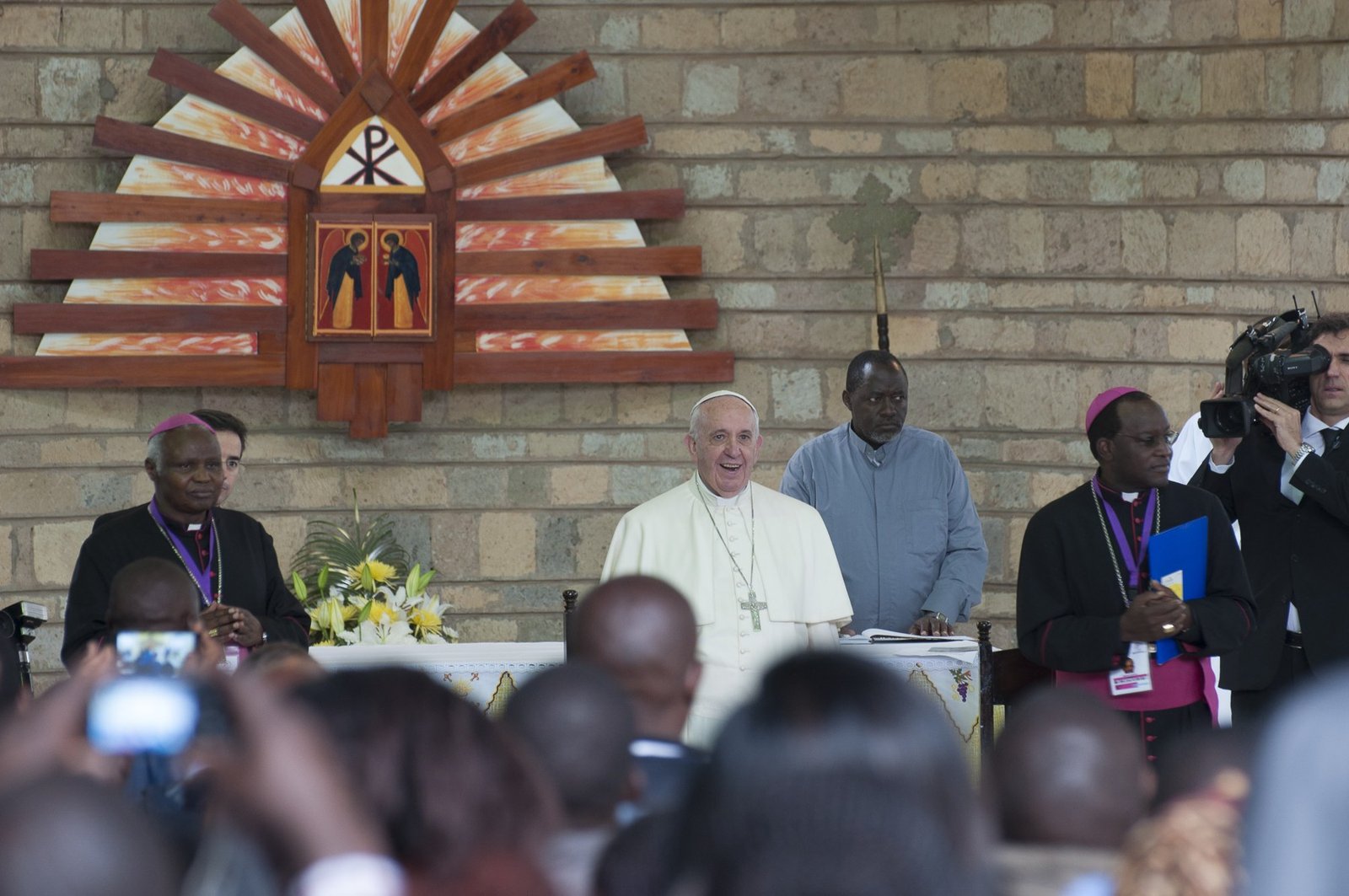
Francis’s reforms were not confined to personnel. He knew that true transformation lies in the soil, not the surface. A watershed moment came in 2020 with the recognition of the Zaire Rite, an African liturgy incorporating local languages, gestures, and ancestral reverence. Its significance was structural rather than ceremonial: it conceded that Catholic worship need not arrive in European form to be authentically Catholic, allowing Africans to worship as heirs in their own house rather than as guests in a borrowed one.
In his writings, Francis struck at the roots of economic exploitation, condemning what he called “clerical capitalism” and naming the scars of centuries of mineral theft, human trafficking, and the erosion of dignity. He challenged the global Church to move beyond charity and toward justice. He did not speak to Africa as a benefactor but as a brother, recognising that the continent is not a basket waiting to be filled, but a granary waiting to be opened.
While the great cathedrals of Europe echo with the footsteps of tourists and the silence of empty pews, Africa’s churches pulse like a talking drum, alive, loud, and unrelenting.
A Geopolitical Counterweight
Africa now stands as the Church’s counterweight, a rock placed on the other end of a seesaw long tilted toward Western liberalism. Movements calling for the blessing of LGBTQ+ unions and the ordination of women priests are gaining traction in parts of Europe and North America. But in Africa, these are seen not as progress, but as paths paved without consultation. Empowered by Francis’s decentralisation efforts, African bishops now speak with autonomy. They do not simply echo Rome; they negotiate with it. The Church has shifted from a monologue to a council of many voices, and Africa has taken its seat at the head of the table.
The counterweight cuts in more than one direction. The same African episcopate that resists doctrinal liberalisation also confronts Rome from the other flank, pressing the Church toward harder positions on debt, extraction, and climate justice than European bishops have been willing to voice. The continent-wide declination of Fiducia Supplicans demonstrated the new arithmetic in practice: a continental bloc set aside a Vatican document and suffered no consequence, because the Church can no longer afford the quarrel.
The Demographic Arithmetic
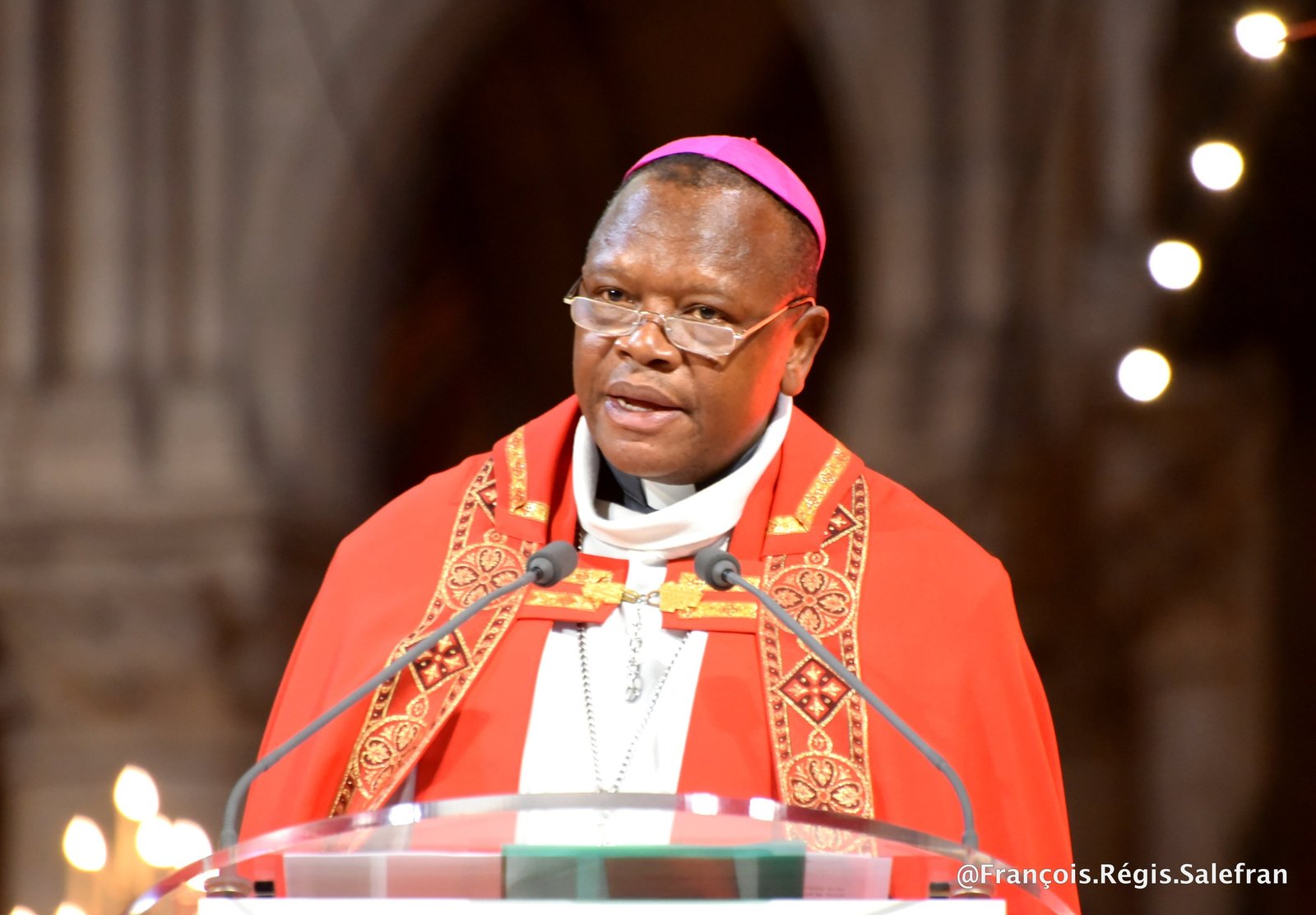
The leverage beneath the ceremony is demographic, and it is only beginning to be priced. A faith that is contracting in the pews of Europe and expanding in the parishes of Africa must eventually let the second fact govern the first, because an institution cannot indefinitely set its doctrine where its members are leaving and discount where they are arriving. Francis read that arithmetic early and built African cardinals into the very body that elects his successors, which means the influence he granted will outlast the pope who granted it. The continent that was for centuries the Church’s mission field has quietly become its membership base, and a membership base that is also seated in the conclave stops requesting recognition and begins setting terms. That is the structural revolution under the liturgical one. It is not that Rome finally noticed Africa. It is that Rome now needs Africa more than Africa needs Rome, and both sides have started to act as though they know it.
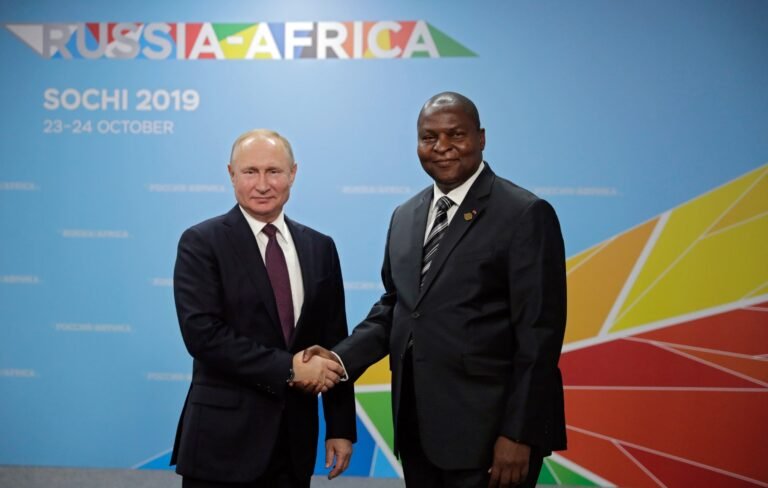
This rising influence is not merely ecclesiastical; it is geopolitical. As the Vatican tightened its embrace of Africa, the move was watched closely by China and Russia, both deepening their own ties to the continent. The Holy See, once a symbol of Europe’s spiritual empire, was navigating alliances in the Global South, with Africa as both compass and map. The question that remains after Francis is not whether Africa is ready to lead the Church, but whether the institutional Church is ready to follow the rhythm of its fastest-growing, most spiritually urgent constituency. History has already shifted. The sun now rises from the South.