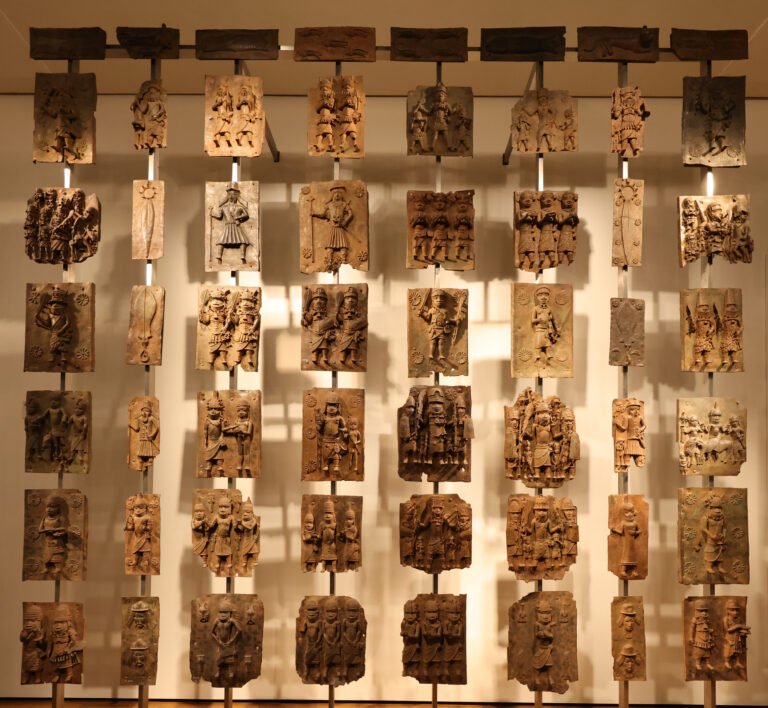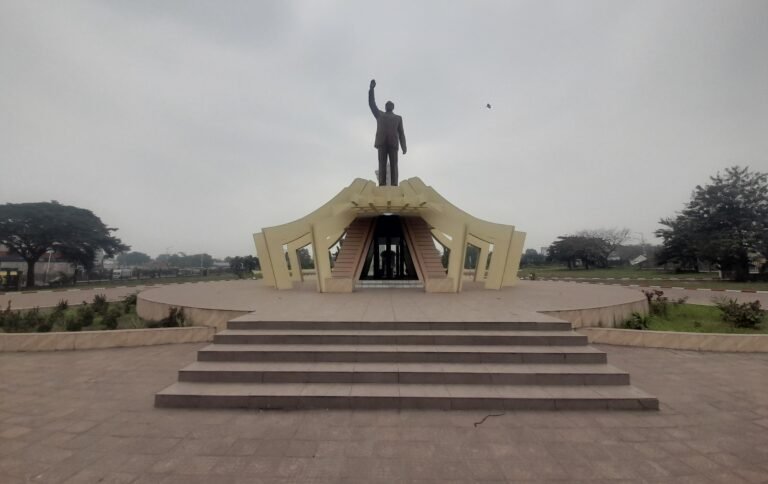
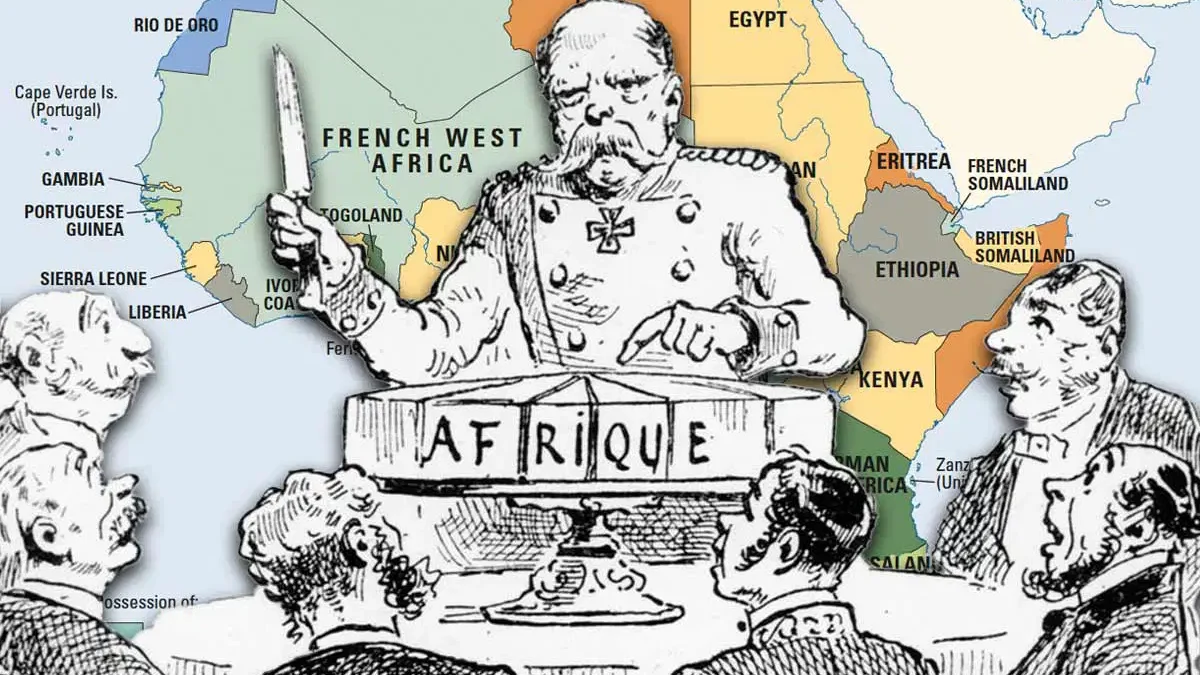
In Berlin, in the winter of 1884, European powers partitioned a continent they had not walked across, among representatives of peoples they would never consult, using lines drawn on maps that ignored the political geographies existing communities had spent centuries constructing. The Berlin Conference produced borders. Africa has been paying the administrative consequences ever since.
This is not a claim that Africa had no internal conflict before colonialism. Every human society of sufficient complexity has produced conflict over resources, authority, and territory. What the Berlin partition produced was something specific and consequential: the administrative conversion of rivals into mandatory cohabitants, the political elevation of some ethnic groups over others as instruments of colonial governance, and the simultaneous dismantling of the diplomatic and governance mechanisms through which communities had previously managed their differences. Colonialism did not simply draw bad borders. It destroyed the conflict-management architectures that existed within and across those borders, and then departed, leaving the conflicts intact and the management mechanisms gone.
Nigeria’s civil war of 1967 to 1970 is the most studied example of what that inheritance produces. Less than a decade after independence, a country assembled from the Hausa north, Yoruba southwest, and Igbo southeast, three political communities with distinct histories, governance traditions, and economic orientations, forced into shared statehood by British administrative convenience, arrived at a point of sufficient fracture that the Igbo southeast attempted to secede as the Republic of Biafra. Colonel Ojukwu’s 1967 declaration was a response not simply to the military coups of 1966 but to the pattern those coups revealed: that within the Nigerian federal structure, the Igbo were vulnerable in ways the administrative unity of the Nigerian state could not protect them from.
The Nigerian government’s response, backed by both the Soviet Union and the United Kingdom, in one of the Cold War era’s more revealing alignments, was a blockade strategy that correctly recognised that conventional military defeat was insufficient. Biafra’s eventual collapse in 1970 was produced not primarily by battlefield loss but by famine, a million or more deaths from starvation in a conflict whose human cost was obscured for years by official silence and international diplomatic calculation. The war’s outcome has not resolved the Biafran question. It has been managed, imperfectly, through a Nigerian federal structure that has never adequately addressed the underlying inequities of power distribution that the secession attempt expressed.
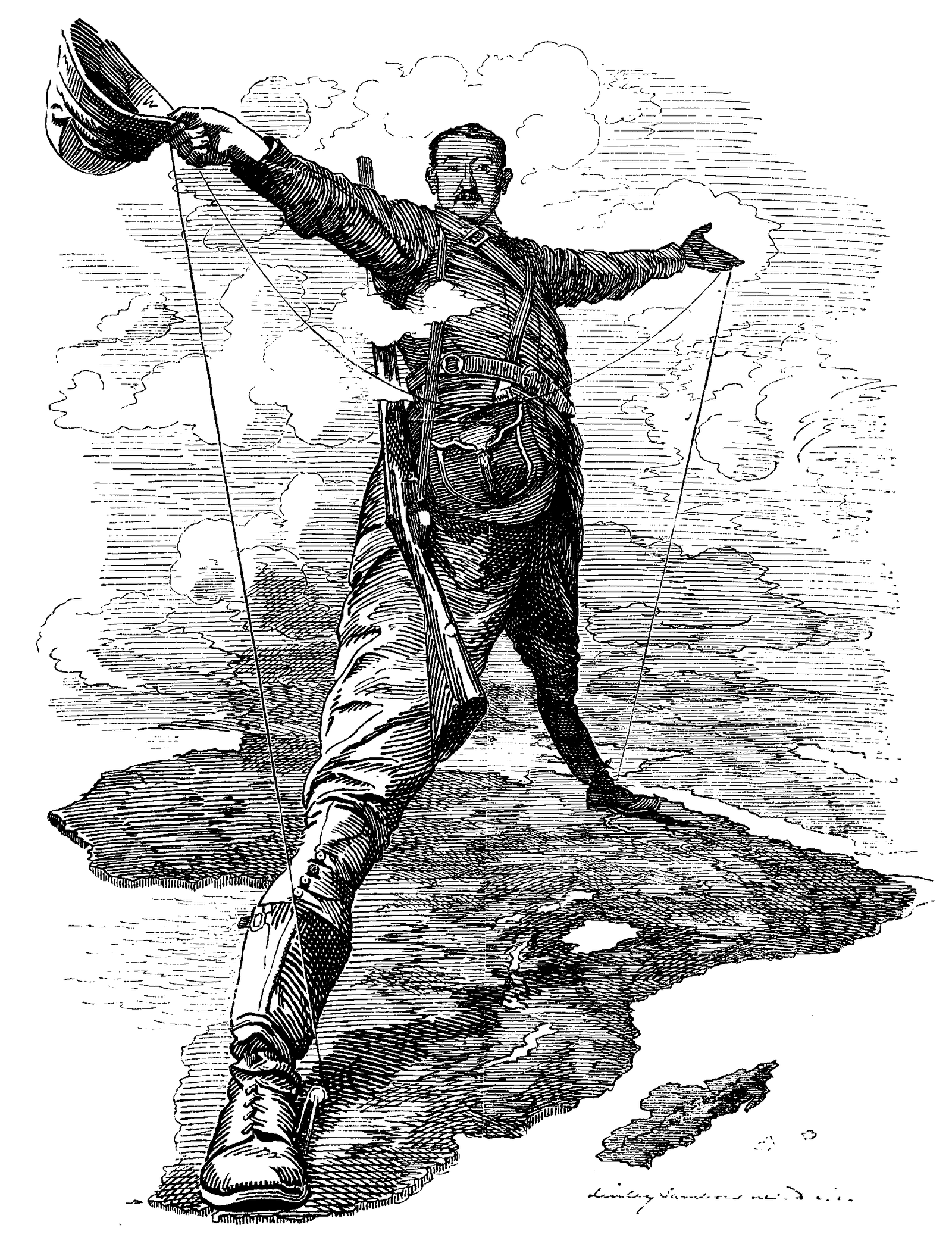
Rwanda’s genocide of 1994 is the sharpest available demonstration of what happens when colonial ethnic categorisation is weaponised at scale. Belgium’s elevation of the Tutsi minority above the Hutu majority, formalised through the introduction of identity cards that turned a fluid socioeconomic distinction into a rigid racial classification, was a colonial policy, not a reflection of pre-colonial Rwandan social structure. The genocide that killed over 800,000 people in one hundred days was executed with machetes by neighbours who had lived alongside each other for generations. What made it possible was not ancient hatred. What made it possible was a political infrastructure, including radio broadcasts that functioned as massacre coordination systems, that activated colonial-era ethnic categorisation in the service of contemporary political objectives.
Rwanda’s reconstruction since 1994 is genuine and in many respects remarkable. Poverty reduction, institutional rebuilding, and the deliberate effort to construct a national identity that transcends the Hutu-Tutsi binary represent real achievements. They also represent the extraordinary cost of a catastrophe that was not inevitable. The colonial ethnic architecture that enabled the genocide was not a natural outgrowth of Rwandan history. It was an imposition that persisted because the institutional frameworks built after independence maintained it rather than dismantling it.
Angola, Liberia, Sudan, South Sudan- each of the continent’s other major ethnic conflicts has its own particular sequence of events, its own specific actors and grievances, and its own relationship to the colonial inheritance. But across them, the pattern is consistent: conflicts that appear ethnic in character are almost always simultaneously economic, with specific resources- oil, diamonds, minerals, land- attached to the ethnic geography in ways that convert cultural difference into competition for material survival. Western actors who arm one faction, extract minerals from conflict zones, or provide diplomatic cover for governments engaged in ethnic repression are not passive observers of African conflict. They are participants in the economic structures that make conflict profitable for some parties and inescapable for others.
The path through Africa’s ethnic wounds does not run through the erasure of cultural difference. This project has failed everywhere it has been attempted and produced its own category of violence in the attempting. It runs through the construction of political systems that distribute power and resources in ways that do not make ethnic affiliation the primary variable in survival outcomes. Where democratic governance has succeeded in reducing the salience of ethnic conflict, in Ghana, in Botswana, in the specific arenas where Rwanda has made genuine progress, it has done so by making other forms of political identity, policy preference, regional interest, economic class, competitively viable as bases for political organisation. The ethnic wound is real. The question is whether the political systems built over it are designed to heal it, or to keep it open for exploitation.