On 30 May 1967, a defiant broadcast from Enugu reverberated across Nigeria and across the world. Colonel Odumegwu Ojukwu declared the southeastern region the independent Republic of Biafra, igniting one of Africa’s deadliest internal conflicts. What followed was not a war between tribes. It was the first of many catastrophic bills sent to Africans for borders they never designed.
The script that produced Biafra was written long before 1967. The Berlin Conference of 1884–85 carved the continent into administrative units that served European trade routes rather than African kinship systems. Over three thousand ethnic groups were sorted into roughly fifty-four territories, their internal coherence subordinated to the geometry of imperial convenience. The conflicts that have since erupted across the continent, in Rwanda, Sudan, the Central African Republic, Ethiopia’s Tigray region, and beyond, are not evidence of African barbarism. They are the logical stress fractures of a structure built to fail.
That structural logic must be named clearly, because the alternative is a story in which Africa’s violence appears self-generated, a product of ancient hatreds too deep for politics to resolve. That story is false, and its persistence is causing measurable harm. It depresses investment, delegitimises governance reform, and hands outside actors a narrative licence to intervene while bearing no accountability for the conditions they helped create.
The Colonial Blueprint
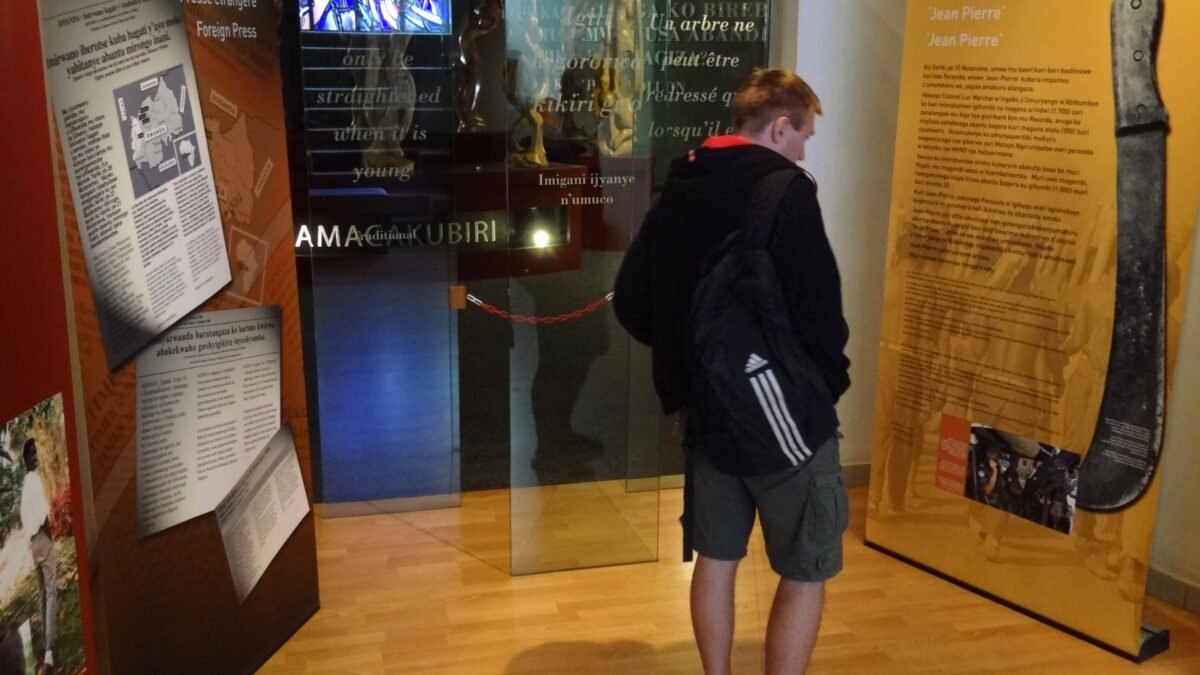
The Rwandan genocide of 1994 is the most cited example of African ethnic violence, and the most systematically misread. The Hutu-Tutsi distinction that Belgian colonisers enshrined in identity cards during the 1930s was not a straightforward ethnic marker; it was a stratification tool, a racial bureaucracy imposed on a society with more fluid social categories. When the genocide unfolded across one hundred days, killing an estimated eight hundred thousand people, it was executing a logic installed by an administration that had departed four decades earlier. The machinery of identity had been left behind.
In Sudan, the fracture lines run differently, but the architecture is comparable. The north-south divide that produced two rounds of civil war and, eventually, the world’s newest nation in 2011 was deepened by British administrative policy that governed the predominantly African south and the Arabised north through separate legal systems, separate educational structures, and separate economic circuits. When independence came, it delivered unified borders around a divided polity. The oil lay in the south. Power sat in Khartoum. The conflict that followed was, in large measure, a renegotiation of a colonial settlement that had never asked southern Sudanese what terms they would accept.
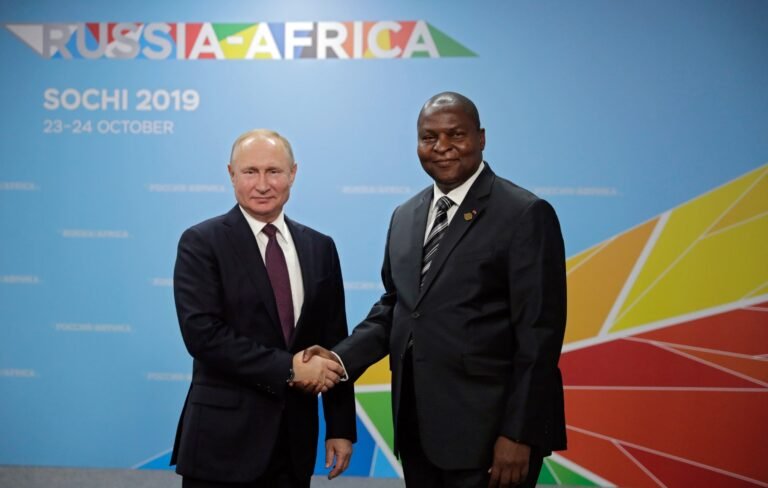
The Central African Republic tells a quieter but equally instructive story. Ranked consistently among the world’s most fragile states, CAR generates international coverage primarily through its most spectacular episodes of violence, militia atrocities, UN peacekeeping missions, and the arrival of Russian private military contractors. What receives less attention is the near-total absence of any functional state. Françafrique, France’s post-colonial management of its former territories through economic exclusivity and political patronage, left CAR with an extractive administrative architecture and almost no indigenous institutional infrastructure. The “chaos” that foreign observers catalogue is, in significant part, the predictable outcome of a state built as a resource pipeline rather than a governing entity.
The Internal Hand
This does not make internal African actors blameless. Political elites have routinely weaponised ethnic identity for electoral gain, turning cultural difference into a mobilisation tool. Boko Haram’s appeal in Nigeria’s northeast has been shaped partly by genuine theological conviction and partly by the calculated exclusion of a region from the economic gains of Nigeria’s oil economy. The M23 rebellion in eastern DRC recruits from genuine grievances within the Tutsi community over citizenship and land rights, even as it operates within networks of foreign military support and transnational mineral extraction. The domestic and the structural are not separate stories. They are the same story told from different altitudes.
Global entanglement accelerates rather than resolves these dynamics. The proliferation of small arms, primarily from Eastern European stockpiles following the Soviet collapse and from NATO-sourced Libyan weapons that scattered after Gaddafi’s fall in 2011, has transformed what might have remained localised political disputes into sustained armed insurgencies. The Sahel’s destabilisation is, among other things, a geography lesson in what happens when weapons outpace governance.
International responses have been structurally inadequate. The African Union’s peacekeeping capacity remains underfunded and logistically constrained. Western donor frameworks attach conditionalities to post-conflict reconstruction that frequently prioritise fiscal discipline over social cohesion, an ordering that tends to leave the grievances animating violence unaddressed. The ECOWAS model has had genuine successes, particularly in Liberia and Sierra Leone. Still, its leverage is weakest precisely where it is most needed: in states where the political elite that invited or blocked intervention held economic interests in the continuation of the conflict.
Rebuilding the Architecture
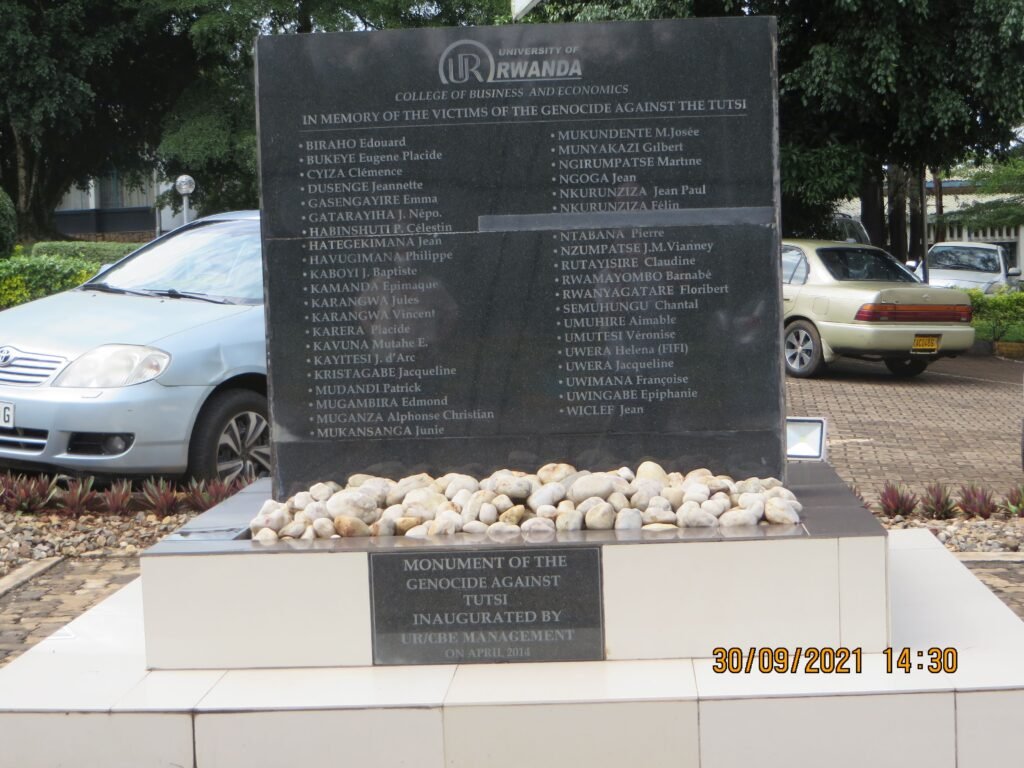
The question Africa’s ethnic conflicts most sharply pose is not how to suppress violence but how to construct legitimacy, institutional legitimacy, territorial legitimacy, economic legitimacy, in polities that inherited structures designed to extract rather than integrate. That is not a cultural issue. It is a problem of political architecture. And architecture can be rebuilt.
What that reconstruction requires is not managed from outside. It demands that African states invest in early warning, in truth-telling processes that do not grant amnesty to perpetrators, and in devolution frameworks that give ethnic and regional communities a genuine stake in shared governance. It requires continental institutions with real enforcement capacity and real funding, not rhetorical solidarity and passed resolutions. Above all, it requires an honest account of where the architecture came from. The fires burning across the Sahel, the Kivu, and the Blue Nile corridor are not new. They are the long-deferred invoice of a system that Africa did not design, but must now dismantle.