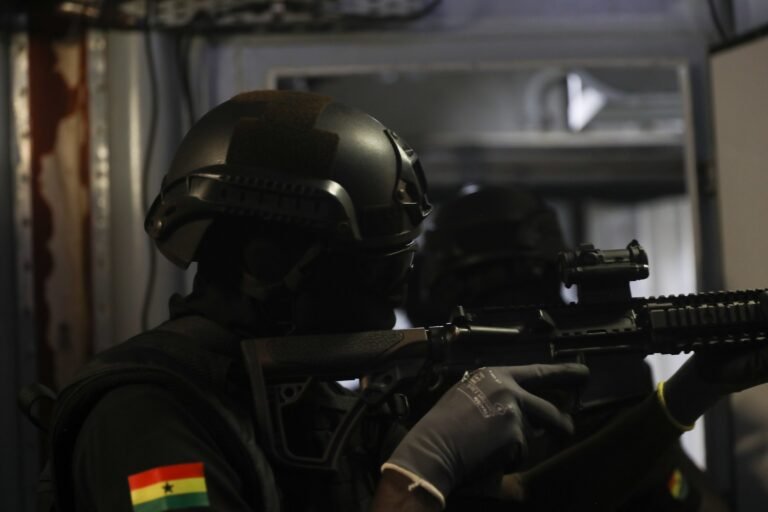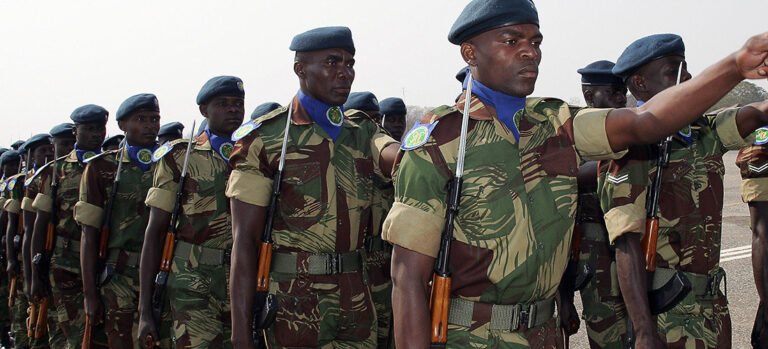
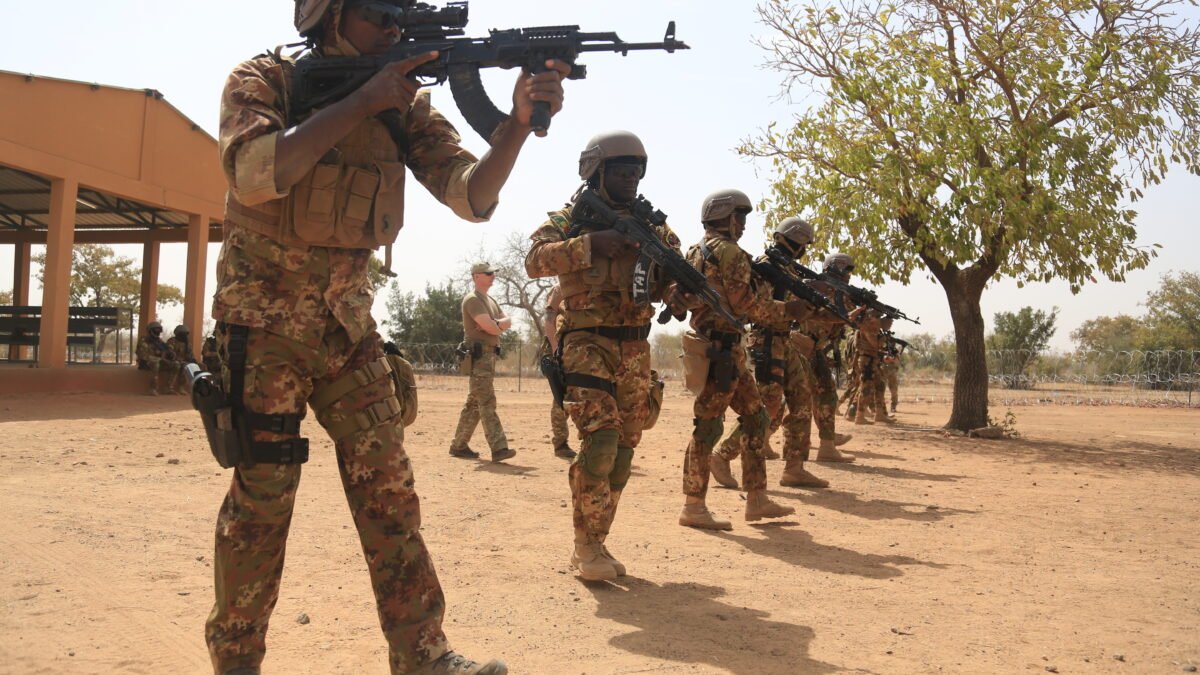
Burkina Faso’s struggle for sovereignty is not simply a story of soldiers taking power; it is a contest over who controls the land, the resources, and the narrative of a nation. The visible drama of coup and counter-coup, of expelled ambassadors and banned French-language media, masks a set of structural tensions that have been building for decades and will persist long after any particular regime changes hands. To understand what is actually happening in Ouagadougou, it is necessary to move beneath the rhetoric of Pan-African liberation and examine the forces, economic, geopolitical, and historical, that have always shaped Burkina Faso’s options.
Burkina Faso sits on some of West Africa’s most significant gold deposits. Between 2016 and 2023, its gold exports grew from approximately $1.4 billion to nearly $5 billion annually, making the sector the country’s single largest source of export revenue. That wealth has not, historically, remained in Burkinabè hands. Industrial mining rights were predominantly held by Canadian, Australian, and European companies operating under concession agreements that channelled royalties and profits offshore. The grievance this generated, the spectacle of gold leaving Burkina Faso while its citizens remain among the poorest in the world, was a ready-made political instrument for any government capable of picking it up. Traoré’s government picked it up. But the instrument cuts both ways.
The nationalisation and renegotiation of mining contracts, announced with considerable fanfare in 2023 and 2024, reflects a genuine impulse to recapture resource revenue for national development. It also reflects a geopolitical calculation: with Russian-aligned security partners replacing French troops, Burkina Faso needed to demonstrate economic sovereignty to match its diplomatic posture. The problem is that resource nationalisation without technical capacity, without alternative investment partnerships, and without political stability produces contraction rather than recapture. Several mining operations have slowed or halted entirely since the security situation deteriorated, not because of government policy, but because artisanal miners and jihadist-affiliated groups have effectively taken control of production zones that the state cannot secure.
The Geopolitical Trap
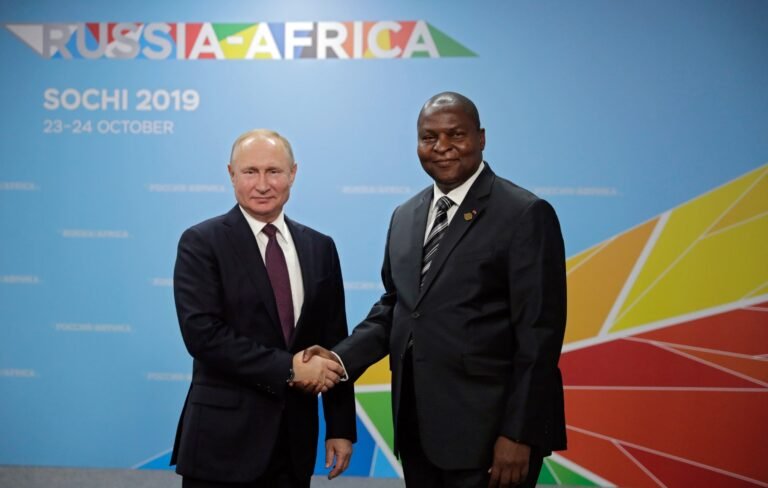
The relationship with Russia is the most consequential strategic choice the current government has made, and the most fraught. Russia’s engagement in Burkina Faso, mediated through the Africa Corps (formerly Wagner), follows a template deployed in Mali, the Central African Republic, and Sudan. Security partnership is exchanged for access to natural resources, diplomatic cover at the United Nations, and political proximity to Moscow. Traoré’s government frames this as the exercise of genuine sovereignty, choosing partners without colonial strings attached. Moscow frames it as African self-determination. Neither framing fully captures what is occurring.
The gold is the quiet counterparty in all of this. A security relationship paid for with mining access requires the mines to keep producing, which gives the new patron an interest in controlling extraction zones rather than pacifying the country as a whole. Protection concentrates where the ore is, not where the villages are. Meanwhile, the share of production that moves through artisanal channels, smuggled across borders and sold outside any royalty regime, grows with every district the state loses, so the sovereignty project is financed by a revenue base that shrinks as the insecurity it is meant to answer expands. The rhetoric is national. The economics are extractive, and they are not new.
A Swap of Dependencies
What is occurring is a swap of dependencies dressed as an escape from dependency. The colonial-era arrangement traded resource access for security and political cover; the new arrangement trades resource access for security and political cover, with the flags changed. The template Moscow runs in Bamako, Bangui, and Khartoum is not a partnership of equals but a fee structure: the protection is paid for in mining concessions, and the concession is collected whether or not the protection works. Burkina Faso has not exited the logic of the patron. It has changed the patron’s address from Paris to a security contractor that answers to no parliament Ouagadougou can lobby. Genuine sovereignty would mean owing the protection of the state to its own citizens and its own institutions. Owing it to a foreign militia is the old dependency in a new uniform.
“Sovereignty is not the act of choosing different masters. It is the capacity to govern without dependence on any master at all.”
The Institutional Vacuum
The deepest challenge facing any Burkinabè government, military or civilian, is not the presence of foreign powers but the absence of functioning state institutions capable of providing security, justice, and basic services across the country’s territory. Burkina Faso’s northern and eastern regions have been effectively ungoverned by the state for years. Jihadist groups affiliated with JNIM and ISGS have built parallel administrative structures in those zones, collecting taxes, settling disputes, providing rudimentary services, precisely because the state apparatus was too weak and too corrupt to do so. Expelling French troops and inviting Russian operatives does not address this structural deficit. It changes the security partnership without changing the security architecture. The hidden forces shaping Burkina Faso’s sovereignty struggle are not primarily external. They are internal: the gap between the state as it exists on paper and the state as it functions in practice. Until that gap closes, the rhetoric of sovereignty will remain precisely that, rhetoric, however loudly amplified and however attractively packaged for an international audience hungry for postcolonial heroes. A flag raised over a ministry that controls only the capital is a claim, not a fact, and the jihadist tax collector in the north has already filed the counter-claim. Sovereignty is settled in the territory a state can actually administer, not in the speeches it can broadcast, and on that measure Burkina Faso’s struggle has barely begun.