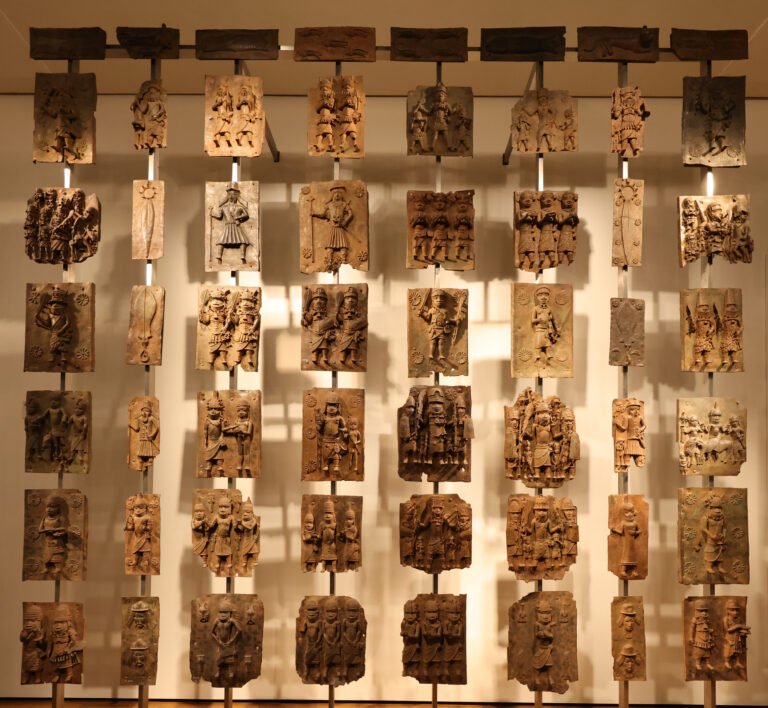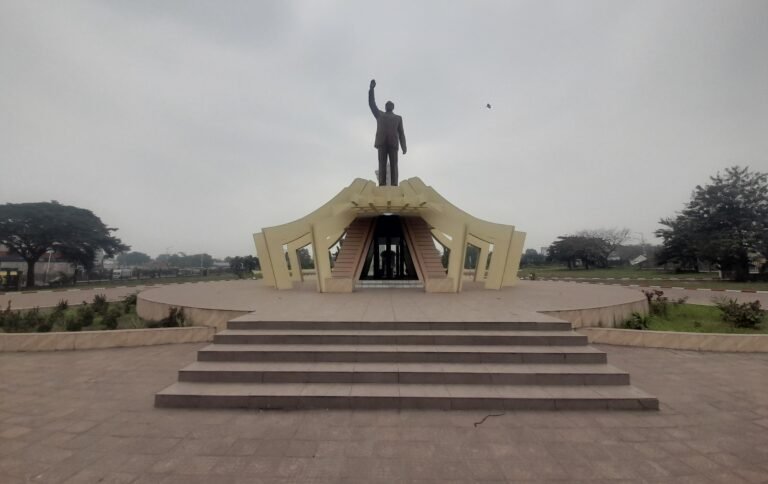

Before Things Fall Apart, the canonical literature of Africa was largely written by those who had arrived from outside to study it. Chinua Achebe changed the terms of the transaction, not by writing back, but by writing first, with a precision that made the colonial narrative look thin by comparison.
Born Albert Chinualumogu Achebe in Ogidi in 1930, into a family navigating the overlapping worlds of Christian mission work and Igbo tradition, Achebe grew up with an intimate understanding of double consciousness before the term entered academic use. His father’s work with the Church Missionary Society gave him access to Western education; his surroundings gave him everything that education could not contain. That tension became the engine of his work.
When Things Fall Apart appeared in 1958, its subject was Okonkwo and the Igbo, but its argument was addressed to anyone who had read Joseph Conrad and found Africa in the darkness rather than in the story. Achebe’s novel restored interior life to African characters, placed colonial forces as the disruptive variable rather than the civilising catalyst, and did so in prose that neither romanticised the pre-colonial world nor performed grief for Western readers. It was not a rebuttal. It was a correction of the record.
The novels that followed, No Longer at Ease, Arrow of God, A Man of the People, moved the analytical lens forward in time without releasing the earlier argument. A Man of the People, published in 1966, anatomised postcolonial political corruption with the detachment of someone who understood that independence was a structural transfer, not a civilisational one. The novel’s prescience, published months before a Nigerian military coup that seemed to confirm its central thesis, was not prophecy. It was diagnosis.
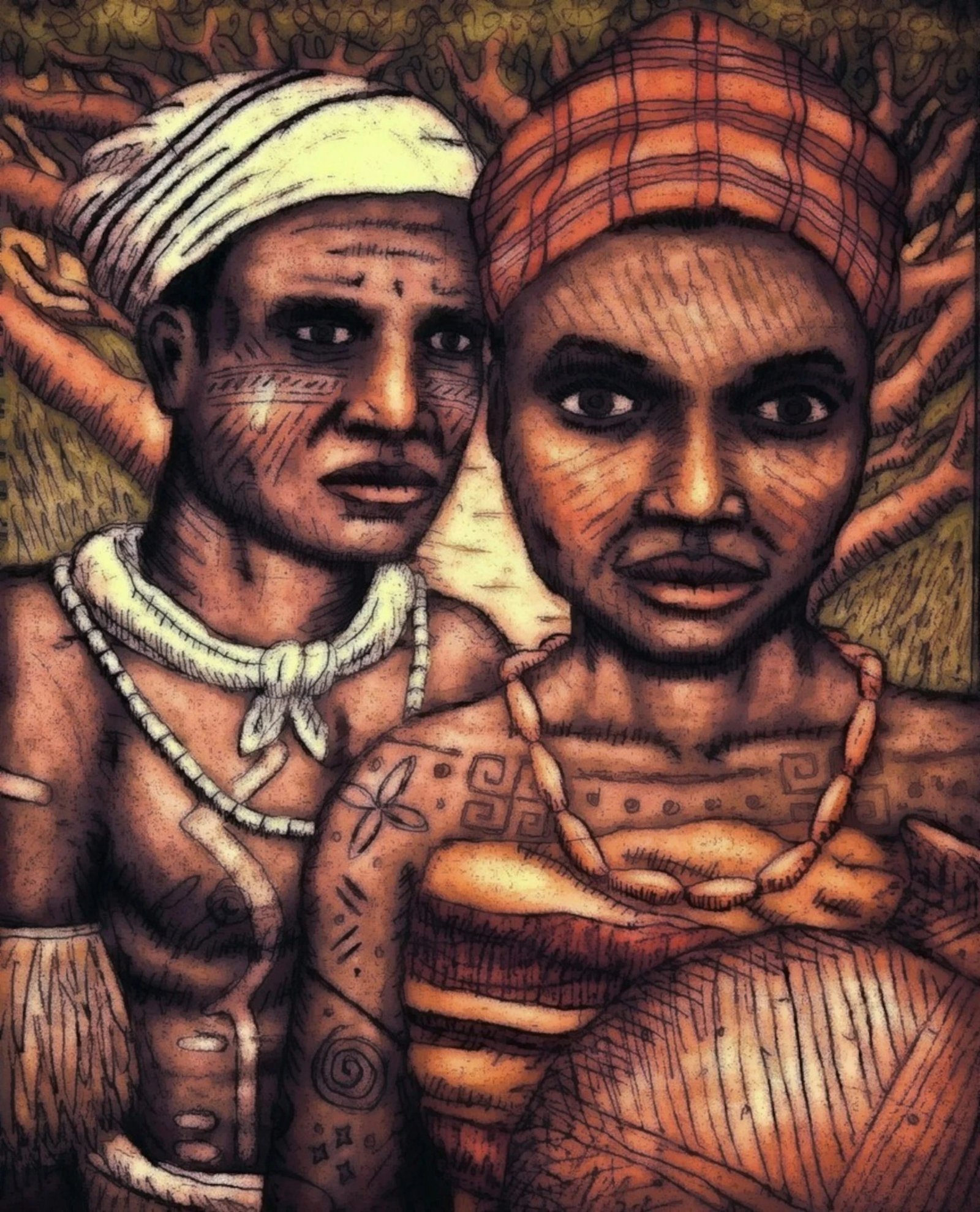
Achebe’s period as director of external broadcasting at the Nigerian Broadcasting Corporation, and his later response to the Biafran crisis, revealed a thinker who understood that narrative was not separate from power; it was one of its primary instruments. His international lecture tours during the civil war were acts of geopolitical storytelling, an attempt to shift the interpretive frame for an audience that was receiving the conflict through press photographs of malnourished children and official government communiqués.
The 1975 lecture “An Image of Africa: Racism in Conrad’s Heart of Darkness” made his methodological position explicit. It was not a protest against Conrad; it was an argument about the relationship between literary representation and the legitimation of power. Achebe understood that the stories a culture tells about another culture are not decoration; they are infrastructure. They build the justifications for policy, investment decisions, and the distribution of moral sympathy.
His later academic career, at Massachusetts, Connecticut, Nigeria, Bard, and Brown, extended this argument into the classroom across four decades. The writers he influenced, from Chimamanda Ngozi Adichie to the generation of African novelists who came after her, represent not a lineage of imitation but a structural inheritance: the conviction that African writers hold the authority to define the terms on which African experience enters world literature.
Nelson Mandela’s description of Things Fall Apart as a book that had sustained him during his imprisonment at Robben Island is often cited as testimony to Achebe’s emotional range. But the more precise reading is this: a man who was fighting for his people’s political freedom found in Achebe’s fiction a confirmation that the interior life of that people was worth fighting for, that its complexity and coherence needed no external validation to be real.
Achebe declined to treat the Nobel Prize as an authoritative verdict on his work’s significance, characterising it as a European institution assessing non-European literature by its own measures. That position was not bitterness. It was consistency. A writer who has spent his career insisting that Africa’s stories have their own gravity does not, then, subject them to a foreign scale at the moment of recognition.
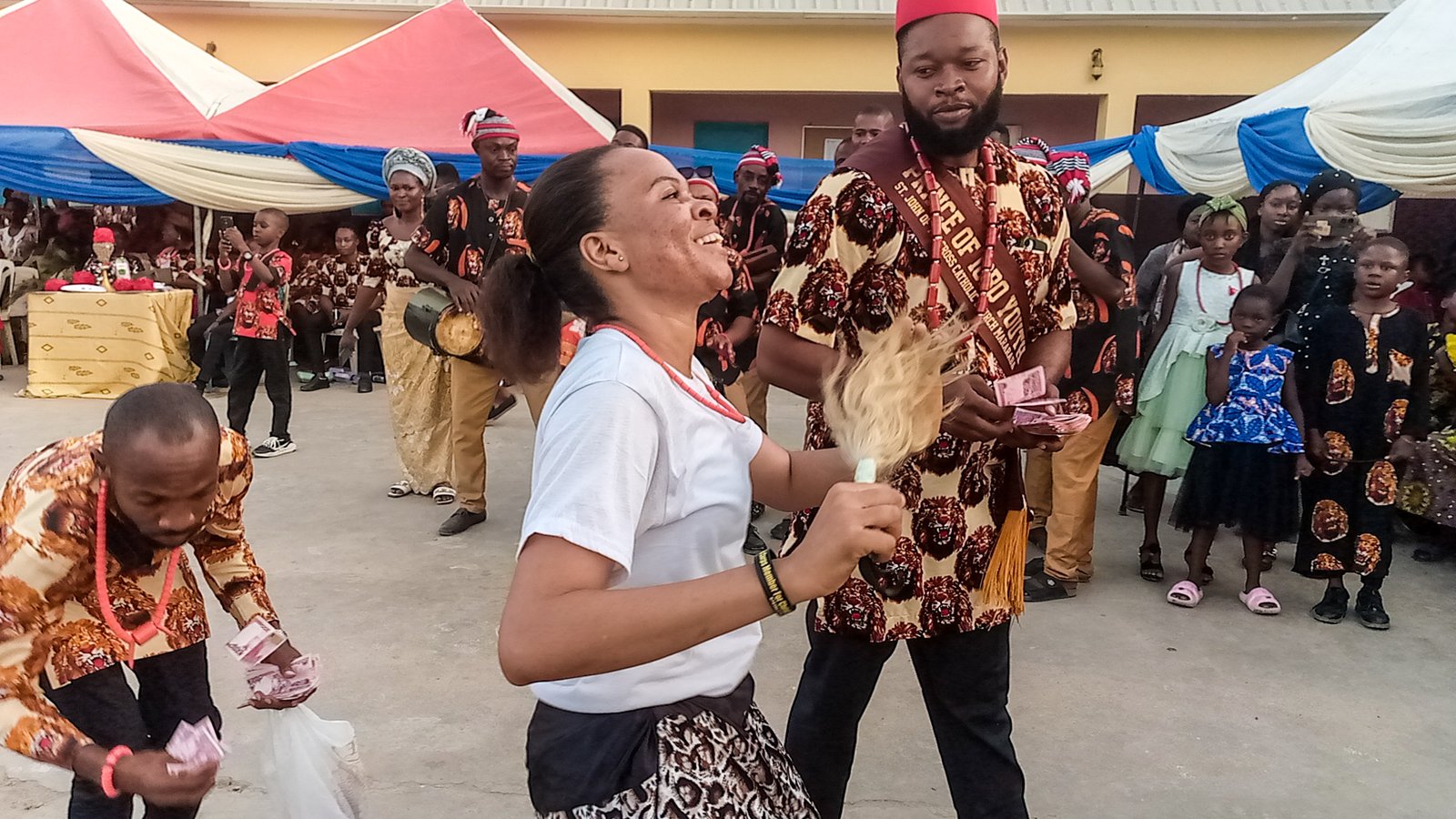
What Achebe constructed across sixty years of work was not simply a body of literature. It was a demonstration that culture is the first territory any sovereignty must hold, that before a people can negotiate the terms of their political and economic life, they must be the authors of their own story. Africa is still working through the implications of that argument. Achebe made sure the argument could not be ignored.