George Weah arrived at the presidency of Liberia carrying two things no other head of state in modern history possessed: a Ballon d’Or and the unresolved grief of a nation still learning to live after war. What he would discover, and what Liberia would discover about him, is that the qualities that made him extraordinary on the pitch could not be transferred to the executive mansion on Capitol Hill.
Born on 1 October 1966, in the Clara Town district of Monrovia, one of the most impoverished communities in a city where poverty had many addresses, Weah’s ascent through football was not just individual achievement. It was a continent watching one of its own refuse the limits that geography and circumstance prescribed. From barefoot matches in the alleys of Clara Town to AC Milan, PSG, Chelsea, and the 1995 FIFA World Player of the Year award, Weah became Africa’s first and, to date, only winner of the Ballon d’Or. He was not simply Liberia’s greatest athlete. He was, for a generation of Africans, proof that belonging to the continent did not foreclose belonging to the world’s summit.
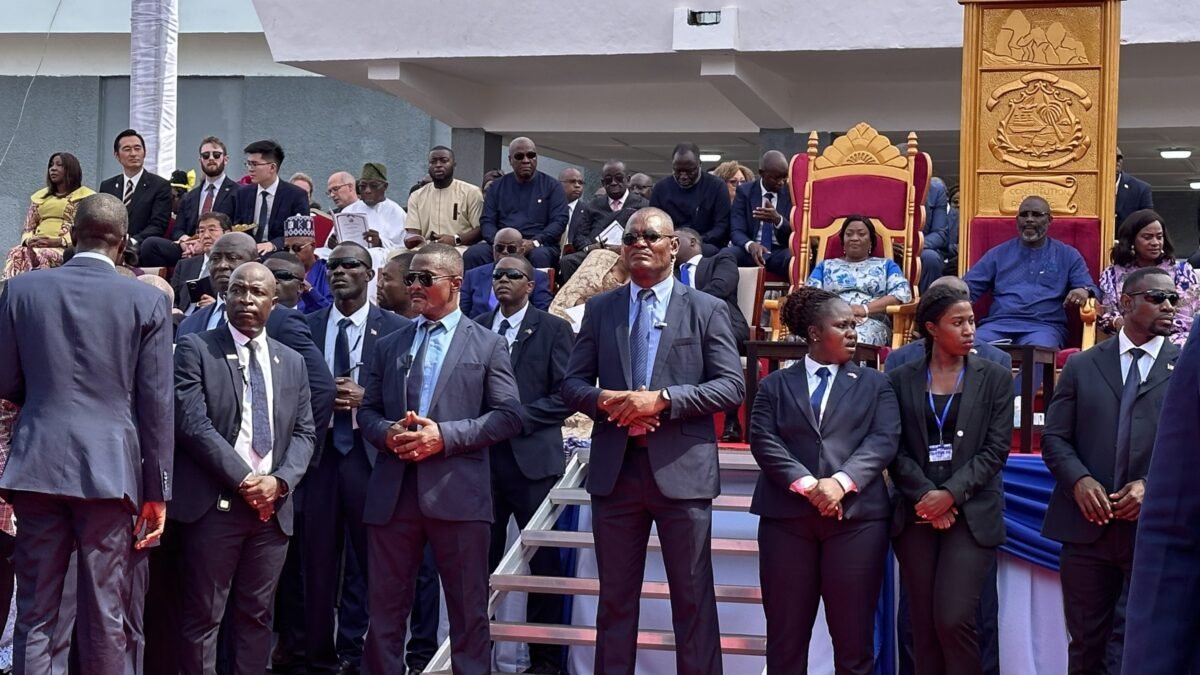
When he was inaugurated as Liberia’s 25th President in January 2018, the weight of expectation was disproportionate, and entirely understandable. Liberians had survived two civil wars, an Ebola outbreak, and decades of institutional collapse. They wanted, in Weah, not merely competent governance but restoration. The man who had crossed the world’s most hostile football pitches and won was supposed to cross the country’s most hostile terrain of governance and win again.
The Distance Between the Pitch and the Palace
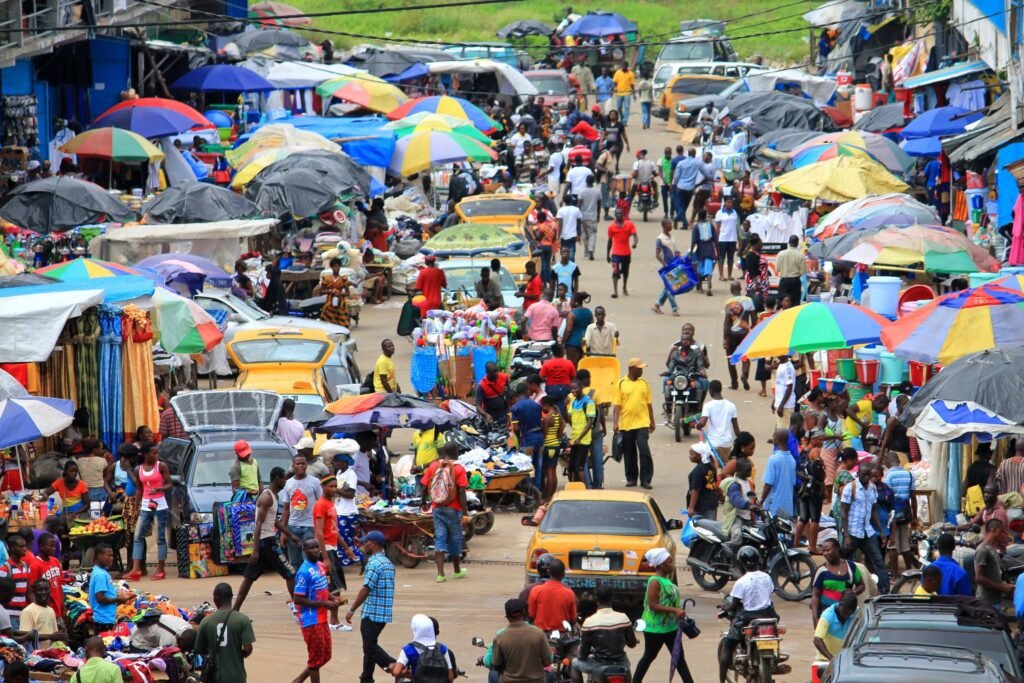
The distance between sporting genius and executive competence is not a gap in personal character; it is a gap in institutional context. Football rewards individual brilliance within a team system. Governance rewards the capacity to build, sustain, and direct institutional systems that function independent of any individual’s brilliance. Weah had navigated football’s complexity with extraordinary facility. Presidential leadership demanded a different set of tools: legislative negotiation, technocratic management, fiscal discipline, and the construction of a functional civil service that no football career could have prepared him for.
His administration faced Liberia’s structural realities without the institutional resources to address them. The country’s public finances were fragile; its civil service hollowed out by years of conflict and underfunding; its infrastructure among the least developed in West Africa. The legislature, controlled by opposition forces for significant periods of his tenure, complicated budget passage and legislative priorities. External debt obligations consumed revenues that might otherwise have funded the service improvements Weah’s supporters expected.
Football rewards individual brilliance within a team system. Governance rewards the capacity to build institutional systems that function independent of any individual’s brilliance.
What His Presidency Meant for Liberia
Weah’s presidency produced genuine achievements: a free tuition programme for public university students, infrastructure investment in road connectivity, and an approach to civilian governance that maintained Liberia’s hard-won democratic stability. These were not negligible. A country that had spent fourteen years at war needed a presidential administration that did not become yet another source of political crisis. In that dimension, the sustenance of constitutional order, Weah’s government delivered.
The criticisms were also real. Corruption allegations against members of his administration, including within his own family circle, undermined his anti-corruption commitments. Economic growth remained insufficient to reduce the poverty that defined daily life for most Liberians. Questions about his government’s management of the Liberian economy, including a controversy over missing central bank currency shipments, generated donor concern and political turbulence.
The Larger Pattern His Story Illuminates
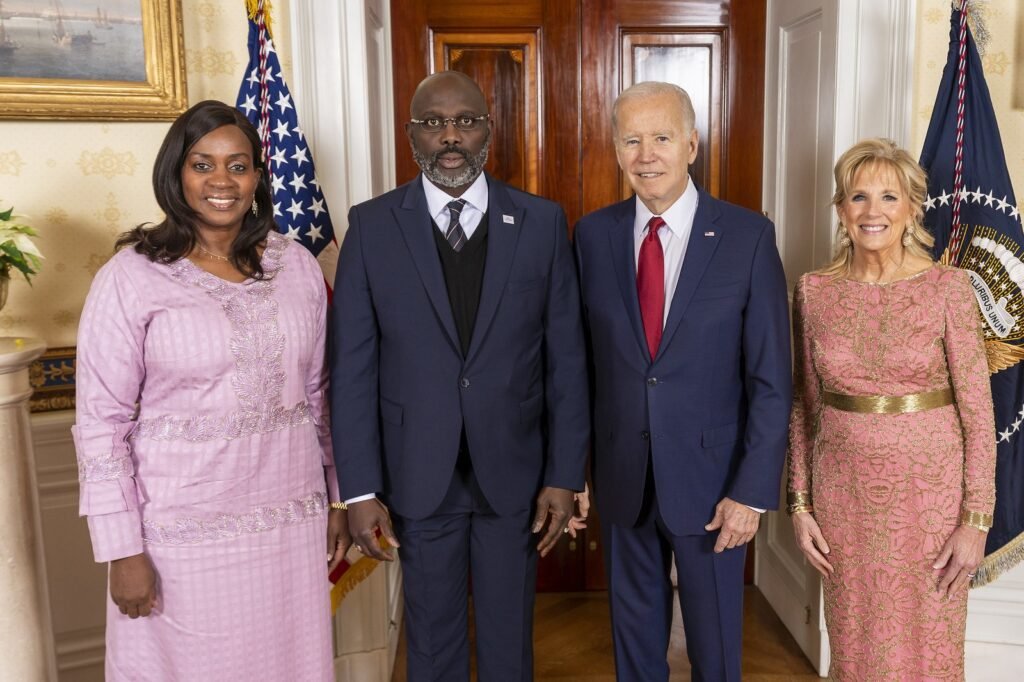
Weah’s trajectory from sports icon to statesman is not unique in African political history. However, his particular journey carries unusual cultural weight because of his Ballon d’Or and his continental symbolism. The pattern, popular figures from outside professional politics entering the executive, raises consistent questions about the relationship between public love and governance capacity, about whether democratic systems that reward celebrity are serving citizens or performing sentiment.
What George Weah’s presidency ultimately reveals is something both specific to Liberia and legible across the continent: the acute mismatch between the scale of popular expectation placed on individual leaders and the structural conditions within which those leaders must govern. Liberia’s crisis is not a Weah problem; it is an institutional inheritance problem. He governed a country whose public systems were decades behind the ambitions of its people, with limited fiscal space, dependence on foreign aid, and the specific challenge of a population whose experience of the state had been overwhelmingly violent.
When Liberians voted him out of office in 2023, handing the presidency to former football ally and now political rival Joseph Boakai, they were not rejecting the man who had given them so much pride. They were exercising the democratic right to demand more from their government than continuity. That, too, is a kind of immortality, the proof that Liberia’s democratic institutions could transfer power peacefully, and that the country Weah loved was still capable of more than what any single leader could deliver.