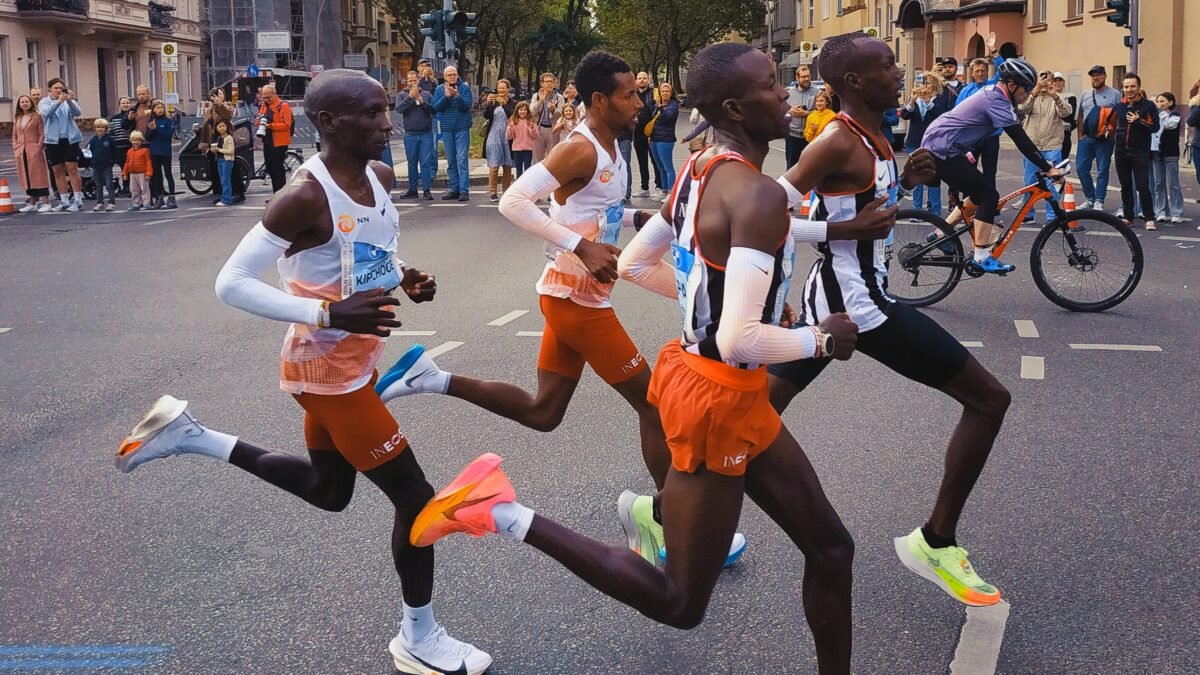
Like the endless migration of wildebeest across the Mara, Kenya’s athletes have traversed global tracks and stadiums with a rhythm that feels almost ancestral. Their feet have carved history into the red earth of the Rift Valley and written glory into Olympic annals. Yet beneath the brilliance of gold and the roar of global crowds, a structural question hangs over Kenyan sport: whether the conditions that produced the world’s greatest distance runners are building toward a sustainable sporting architecture or slowly consuming the very foundation that made those conditions possible.
Kenya’s dominance in distance running is not a coincidence or a myth. It is the product of specific, identifiable conditions: the physiological adaptation of Kalenjin communities to high-altitude training, the economic incentive structure that has made athletics one of the most viable pathways out of rural poverty in the Rift Valley, the informal coaching networks that have developed in towns like Iten and Eldoret over decades, and the competitive culture that treats the morning training run as a communal practice rather than an individual pursuit. These conditions produced Kip Keino, Henry Rono, Paul Tergat, Tegla Loroupe, David Rudisha, Eliud Kipchoge, athletes whose achievements read less like a national roster than like a civilisation’s relationship with movement.
The Governance Shadow
The organisational infrastructure that should surround that talent base has not kept pace with it. Athletics Kenya, the national federation, has faced recurring controversies over governance transparency, athlete representation, and the distribution of prize money and appearance fees earned by Kenyan runners on the global circuit. The World Athletics Integrity Unit has investigated the federation on multiple occasions regarding doping control failings. This development has cast a shadow over the country’s athletic credibility and placed Kenyan athletes in the difficult position of being individually clean competitors in an institutional environment that has struggled to demonstrate equivalent rigour. The doping cases that have emerged in recent years, including athletes who ranked among the world’s best in distance events, have been painful precisely because they threaten to redefine a legacy built on what appeared to be natural, altitude-conditioned excellence.
A Legacy Held on Loan
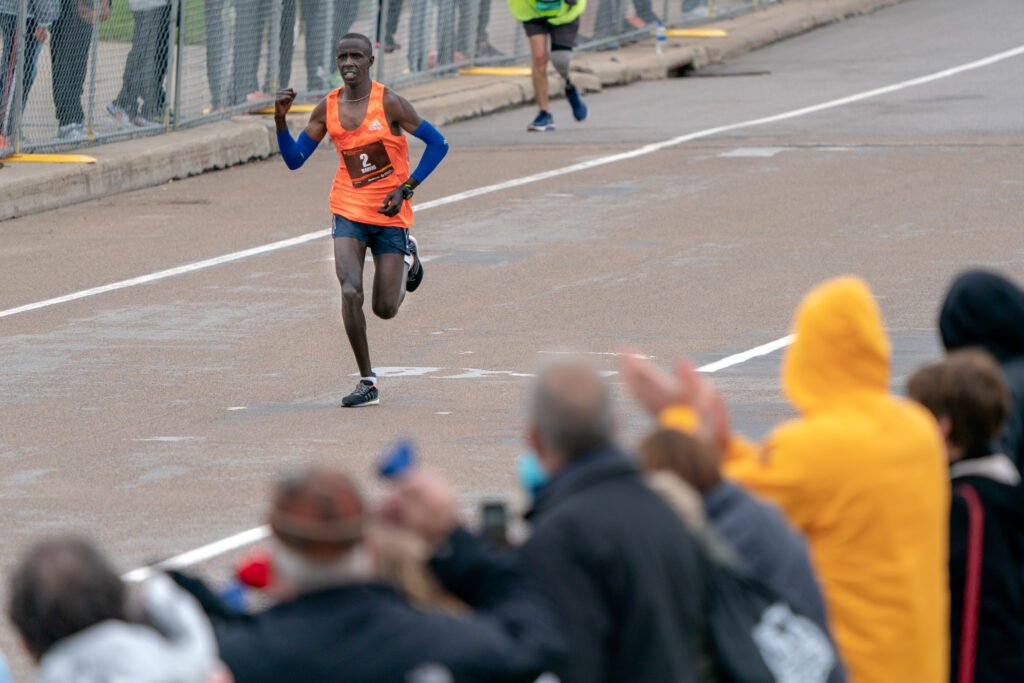
The governance failure is not a side issue to the sporting story. It is the sporting story because a legacy that exists only in the bodies of individual runners, not in the institutions around them, is held on loan. When the federation cannot demonstrate clean controls, the suspicion attaches to every result, including the honest ones, and the value of the Kenyan brand in athletics, painstakingly built across six Olympic cycles, becomes hostage to the weakest administrator in the chain. The Rift Valley produces talent. Credibility is produced, or squandered, by the institutions that are supposed to steward it.
Football occupies a different position in the Kenyan sporting imagination. The Harambee Stars have historically been limited to regional prominence, with a national league structure that has struggled to retain domestic talent against better-resourced leagues abroad. Kenyan rugby, through the Shujaa Sevens programme, has made a more coherent case for institutional sporting success, building a team that has consistently competed at the top level of the World Rugby Sevens Series and producing players who have advanced to full-contract international rugby careers. That rugby success reflects what focused institutional investment in a specific discipline, combined with cultural affinity for the game’s physical demands, can produce.
Closing the Value Loop
The economic dimension of Kenya’s sporting moment is where the next leap must occur. The prize money, media rights, and sponsorship value that Kenyan athletes generate globally remain predominantly captured outside Kenya by management agencies, international meet organisers, and the media ecosystems that broadcast athletics to European and American audiences. The athlete who wins the Berlin Marathon or the London World Championship generates significant economic value, and the infrastructure that receives the greatest share of that value is not Kenyan. Building domestic institutions, talent representation agencies, sports media rights management, sports finance and career planning infrastructure that keep a larger share of that value within Kenya is not a cultural aspiration. It is a structural economic question.
Follow that value and the pattern is familiar from Kenya’s other export sectors. The raw resource, in this case the runner conditioned by altitude and rural necessity, is produced domestically at the community’s expense. The processing, monetisation, management, branding, and broadcasting of an athlete’s career, as well as the financial products built around it, happen offshore, and the bulk of the margin accrues there. Kenya supplies the talent and absorbs the risk of injury, short careers, and reputational damage when governance fails, while the durable wealth accrues to intermediaries in other jurisdictions. Sovereign sporting capital means closing that loop, so that the value an athlete creates returns to the landscape that produced the athlete.
Kenya’s next great leap will not be measured in world records or Olympic gold medals, though those will come. It will be measured in whether the country constructs the institutional scaffolding that makes its sporting excellence a durable national capital, governable, accountable, and capable of distributing its benefits to the communities and athletes whose work creates the legacy. The wildebeest cross the Mara because the conditions for that crossing are built into the landscape. Building the conditions for Kenya’s sporting future to be as sustainable as its natural talent is the work that now demands its own great leap.