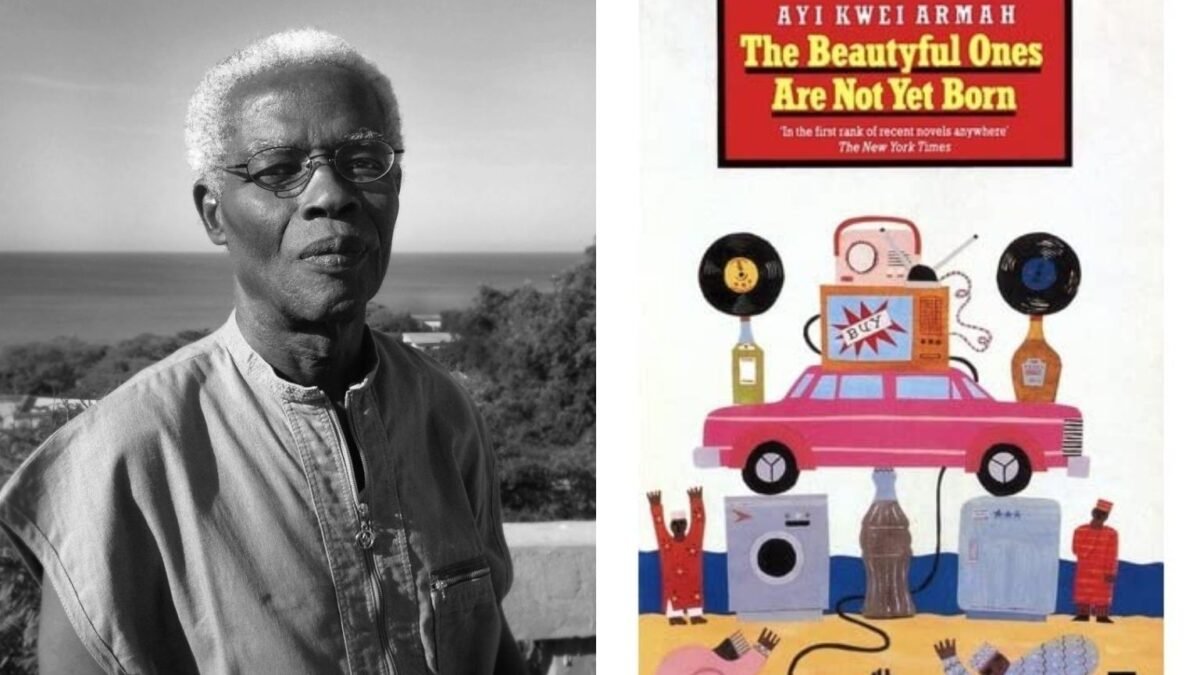
When Ayi Kwei Armah wrote about post-independence Ghana in 1968, the corruption, the complicity, the rot spreading through institutions built to serve citizens but captured by elites, he diagnosed a condition that has metastasised across the continent. Nearly sixty years later, the patterns he identified have not merely persisted. They have evolved into more sophisticated forms, operating through debt instruments, electoral manipulation, and leaders who campaign as champions of the poor while implementing austerity packages dictated in Washington and Brussels.
Africa in 2026 faces a debt crisis exceeding $1.15 trillion, loses $88.6 billion annually to illicit financial flows, and watches as liberation movements transformed into governing parties capture the state as thoroughly as the colonial administrations they replaced. The independence that generations fought for has, in too many cases, become what Burkinabè Captain Ibrahim Traoré called “the continuation of slavery by other means.”
The debt arithmetic is unambiguous. Annual debt service payments have exploded from $61 billion in 2010 to $163 billion in 2024, a 335 per cent increase that has fundamentally redirected African resources away from citizens and toward creditors.
Thirty of 49 African countries now spend more on interest payments than on public health. For the first time in 2023, African governments collectively spent more on servicing debt than on education [AfDB, 2024]. Kenya devotes nearly 40 per cent of export revenues to international debt servicing. Mozambique allocates almost 70 per cent of its expenditure to debt repayment. External obligations take precedence over domestic welfare, not occasionally, but structurally.
The Rot That Armah Named and the System That Reproduces It
The DRC supplies over 70 per cent of global cobalt, essential for batteries powering electric vehicles and smartphones. Yet 80 per cent of that output is owned by Chinese companies, refined abroad, and sold to battery makers who capture most of the value.
The 2008 Sicomines deal granted Chinese firms rights to 10 million tons of copper and 600,000 tons of cobalt over 25 years, with Chinese partners controlling 68 per cent of the venture. An expanded $7 billion arrangement in 2024 left the DRC government as a junior partner in the extraction of its own resources. This is the rot Armah described, not moral failure but systemic design, a structure rationally organised to extract and distribute upward.
The Reformer’s Reversal
Kenya’s William Ruto campaigned as the champion of hustlers, the working poor, against dynastic elite wealth. In office, he implemented IMF-mandated tax increases on bread, sugar, cooking oil, and fuel. The June 2024 Gen Z uprising saw 65 protesters killed by police, with demonstrators carrying signs reading “IMF Go Home” and “colonialism never ended.” Nigeria’s Bola Tinubu removed fuel subsidies on his first day in office, causing prices to triple. Food inflation reached 39.2 per cent by October 2024, with 65.8 per cent of Nigerian households skipping at least one meal daily. The pattern Armah diagnosed, leaders who campaign as reformers and govern as system-maintainers, is not a corruption of post-independence politics. It is its logic.
“The problem is not merely bad individuals but captured institutions, not simply corrupt leaders but systems designed to extract rather than develop.”
African Resistance and Unfinished Liberation
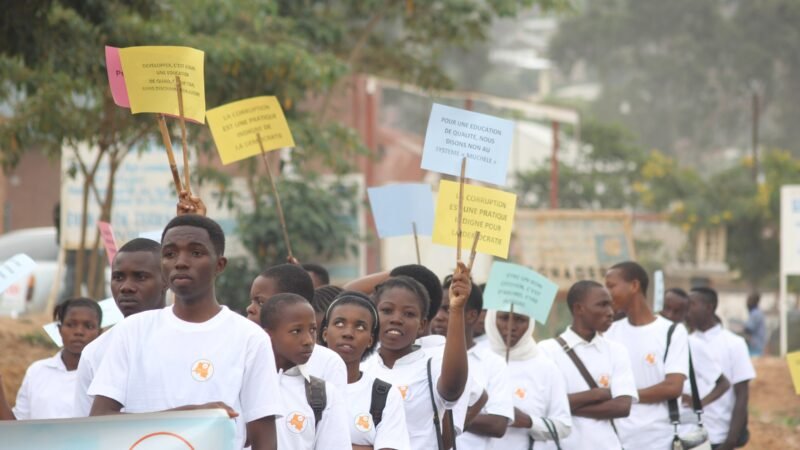
Yet Armah’s vision, for all its unflinching diagnosis, was never a counsel of despair. The evidence also documents mounting resistance: the Gen Z uprising that forced Kenya’s president to withdraw his finance bill; the Sahel states’ decisive break with French military presence; the 95 per cent of West Africans surveyed who desire to leave the CFA franc system; the African Union’s May 2025 continental debt conference calling for a UN framework convention. These movements suggest that while the beautyful ones are not yet born, their conception may finally be underway, not through the capture of state power by another generation of elites, but through the collective refusal of citizens to accept that independence must mean the repetition of oppression. The resistance is younger than the states it confronts, digitally organised, and unimpressed by liberation credentials, which is precisely what makes it harder to co-opt than the oppositions that came before it.
The fundamental insight Armah offered remains the sharpest available: the problem is systemic, not individual. Until African votes at the IMF exceed 10 per cent, until debt restructuring does not take five years, until mineral wealth is processed where it is mined, until monetary sovereignty is absolute, the cycle continues. The beautyful ones will remain unborn until Africans achieve not just political independence, but economic sovereignty and genuine self-determination. Armah named the condition. The continent is still finding the cure.
What gives the novel its uncomfortable durability is that it refused the consolation every generation since has reached for, the belief that the next honest leader fixes it. Armah’s unnamed protagonist is not surrounded by villains who could be voted out; he is surrounded by a logic that makes the honest man the deviant and the corrupt man the rational actor, a structure that rewards the gleam of the bribe and punishes the refusal of it. That is why the book did not date when Nkrumah fell, or when structural adjustment arrived, or when a hustler-president raised the price of bread. The names changed, and the architecture held. A diagnosis that survives every change of patient is no longer a story about Ghana in 1968. It is a description of an operating system, and the beautyful ones cannot be born until the system, rather than its current administrators, is the thing the continent finally sets out to replace.