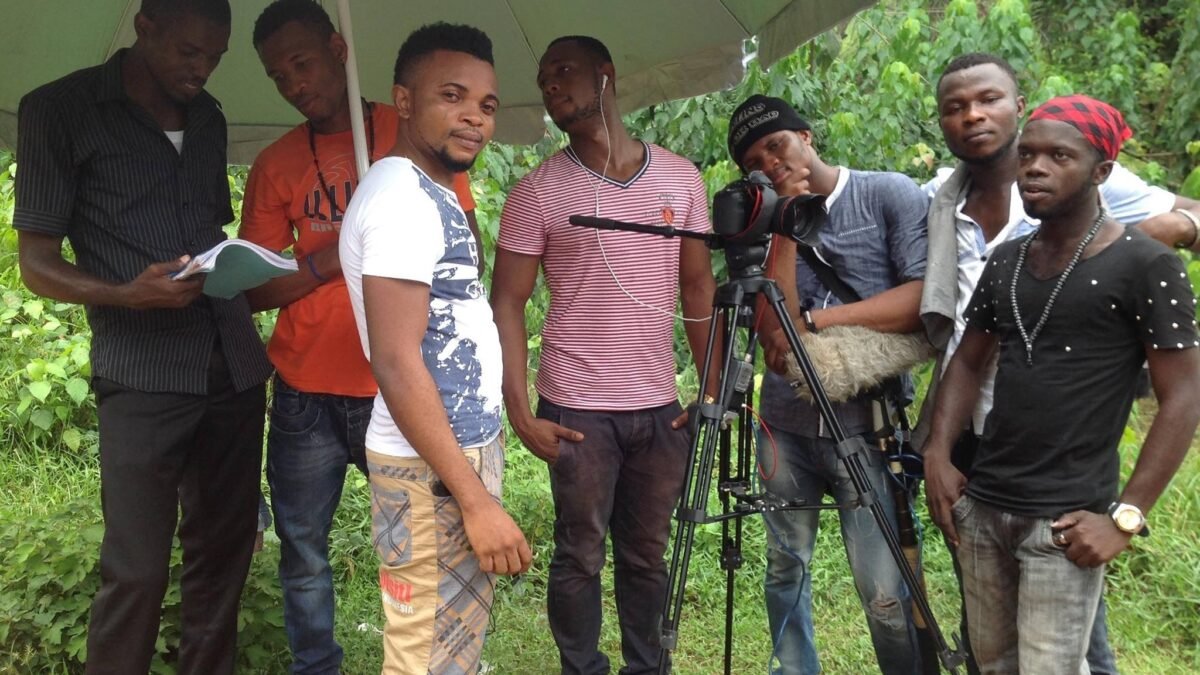
Nigeria’s film industry has produced more feature-length films annually for over a decade than the United States, a fact that still surprises audiences who encounter Nollywood only through the small, curated slice of it that appears on their Netflix homepage. The scale is not a rounding error. Thousands of Nigerian productions are made every year, on budgets that would not cover catering for a Hollywood shoot, distributed through a market that built its own supply chain, direct-to-DVD sellers, informal cinema circuits, YouTube channels, entirely outside the studio system the rest of the world associates with commercial filmmaking. That achievement is genuine African industrial capacity, built with almost no state support and considerable ingenuity. What it has not yet produced is control over how the world actually encounters it.
Volume Without Visibility
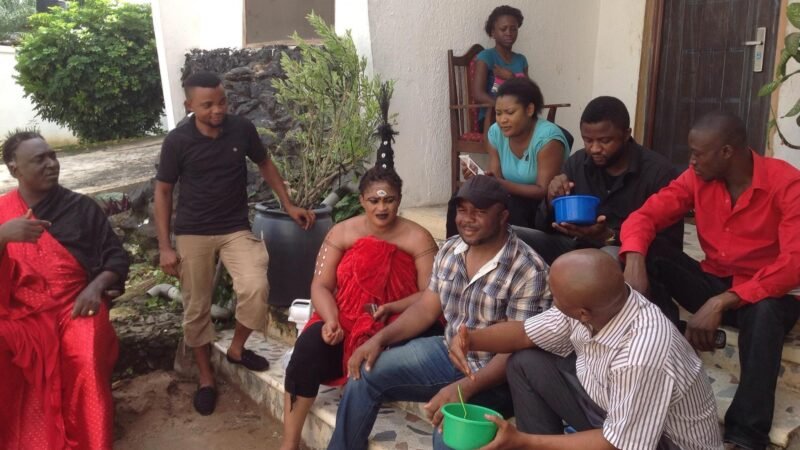
Global streaming changed Nollywood’s economics before it changed its power. Netflix, Amazon Prime Video, and a handful of other platforms began licensing and, increasingly, commissioning Nigerian films and series in the past several years, offering production budgets and international polish that transformed what a Nollywood film could look like. Films like “Lionheart” and a growing slate of Netflix-commissioned Nigerian originals reached audiences in over a hundred countries simultaneously, a distribution feat the industry’s traditional DVD and cinema networks could never have achieved on their own. The visibility is real. So is the fact that it exists entirely on terms the platforms set.
The typical arrangement is a flat licence fee: Netflix pays a Nigerian production company a fixed sum for global streaming rights, sometimes for a limited window, sometimes in perpetuity, and the film’s subsequent performance, whether it is watched by ten thousand people or ten million, does not change what the Nigerian producer receives. Compare that to how the platform treats its own commissioned originals in other markets, where success can trigger renewal deals, spin-offs, and expanded budgets tied directly to viewership data the platform holds and the producer typically does not see. Nollywood supplies the content. Netflix keeps the only asset that determines whether any given film becomes a global phenomenon or a forgotten row on a menu: the data, and the algorithm built on it.
Nollywood supplies the content. The platform keeps the only asset that decides whether a film travels: the data and the algorithm built on it.
The Algorithm Is the New Distributor
What actually determines whether a given Nigerian film reaches a South African subscriber, a Brazilian subscriber, or a British one is a recommendation system whose logic the platforms do not disclose and the producers cannot audit. A film’s placement in the “Trending in Nigeria” row versus a global “Popular on Netflix” row is not a neutral reflection of quality; it is a platform decision shaped by licensing tier, marketing spend, and internal category logic that African producers have no visibility into and no seat in designing. The gatekeeping that once ran through cinema distributors and DVD wholesalers has not disappeared. It has moved into a recommendation engine owned by a company headquartered in California, which decides, invisibly and at scale, which African stories the rest of the world is even offered the chance to watch.
What Ownership of the Pipeline Would Change
The comparison Nigerian industry figures increasingly draw is to South Korea, whose film and television industry negotiated a fundamentally different relationship with global streaming, retaining more ownership stakes, building domestic platforms like the ones that gave Korean content leverage before international deals were signed, and benefiting from state-backed investment in production infrastructure and export promotion that treated cultural exports as a strategic industry rather than informal enterprise. Nollywood has done more with less state support than almost any comparable industry globally, which is precisely why the gap is a policy failure rather than a talent gap. Nigeria has the content. It does not yet have the domestic platform infrastructure, the data leverage, or the state investment architecture that would let its own industry, rather than a foreign licensing partner, decide what global success looks like and who captures the value when a film travels.
None of this diminishes what Nollywood has built, an industry that created a Nigerian and pan-African audience for Nigerian stories before any foreign platform noticed it existed, and that leverage, an enormous, already-proven domestic audience, is the one asset the streaming platforms did not create and cannot easily replicate elsewhere. The unfinished work is converting that leverage into ownership of distribution, not just supply of content, so that the next decade of Nollywood’s global rise is negotiated from a position that reflects the size of the industry rather than the convenience of the licence fee. The industry proved it could out-produce Hollywood by volume without anyone’s permission. Owning the pipeline that decides who watches is the part still being negotiated, film by film, on someone else’s terms.